Choosing between Australian crypto exchanges involves more than finding a platform with a large coin selection or a low advertised trading fee. You should also compare AUD deposit and withdrawal options, trading spreads, security controls, supported cryptocurrencies, and the exchange’s regulatory status.
Popular platforms Australian users may want to compare include CoinSpot, Swyftx, Independent Reserve, Coinbase, Kraken and Binance Australia. However, the right choice depends on how you plan to trade. A beginner may prefer a simple buying experience, while an active trader may prioritize order-book pricing, liquidity and lower trading fees.
Before depositing money, check the exchange’s current availability, fees and registration details. These can change, and a platform’s global services may differ from the services it provides to Australian customers.
Best Australian Crypto Exchanges at a Glance
The following platforms offer different features and are worth comparing when researching crypto exchanges available to Australians.
| Exchange | Best suited to | What to compare |
|---|---|---|
| CoinSpot | Beginners and straightforward crypto purchases | Instant-buy fees, market trading fees and coin selection |
| Swyftx | Users looking for a broad range of assets and trading tools | Tiered fees, spreads and AUD payment options |
| Independent Reserve | Users who value an order-book trading environment | Volume-based fees, AUD withdrawals and trading features |
| Coinbase | Users familiar with an international crypto platform | Available Australian services, transaction fees and spreads |
| Kraken | Traders interested in advanced tools and security features | Australian availability, Kraken Pro fees and supported payment methods |
| Binance Australia | Users interested in a large global trading ecosystem | Current AUD services, local product restrictions and fees |
This is a comparison shortlist, not a ranking based on independently tested performance. Features, prices and access can change. Always confirm the details on each exchange’s official website before opening an account.
1. CoinSpot
CoinSpot is an Australian cryptocurrency exchange known for its accessible interface and range of supported digital assets. Its straightforward buying and selling features can appeal to people who are new to cryptocurrency.
One important distinction is the difference between CoinSpot’s instant trading service and its market trading feature. They have different fee structures.
CoinSpot fees and features
According to its published fee schedule:
- Instant Buy, Sell and Swap transactions have a 1% fee.
- Market orders have a 0.1% fee.
- PayID and direct bank deposits are listed as free.
- AUD bank withdrawals are listed as free.
- Crypto withdrawals may involve network transaction fees.
These differences matter because the simplest way to buy cryptocurrency is not necessarily the cheapest. Users comfortable with market orders should compare the final execution price with the instant-buy quote before confirming a transaction.
Who should consider CoinSpot?
CoinSpot may suit beginners who want an accessible platform and users who value a local Australian exchange. More experienced traders should compare its market fees, available order types and liquidity with other platforms.
2. Swyftx
Swyftx is another Australian exchange worth considering, particularly for users who want a combination of a user-friendly interface, a broad asset selection and trading tools.
The platform publishes tiered trading fees based on 30-day trading volume. Its advertised trading fees range from 0.1% to 0.6%, depending on the applicable tier.
Swyftx fees and AUD payments
Swyftx lists free AUD bank transfer deposits and withdrawals. PayID and other payment options may also be available, subject to the platform’s current terms and eligibility requirements.
However, users should not evaluate a trade using the advertised trading fee alone. The quoted price can include a spread, which affects the effective purchase or sale cost.
For example, a platform with a lower visible trading fee may still be more expensive if its quoted buy price is significantly higher than the market price.
Who should consider Swyftx?
Swyftx may appeal to users who want a locally focused exchange with a broad selection of cryptocurrencies and accessible trading features. Compare its spread and total transaction cost with other platforms before making a decision.
3. Independent Reserve
Independent Reserve is an Australian-founded cryptocurrency exchange that serves retail and institutional customers. Its order-book trading environment makes it worth comparing for users who want to see market pricing rather than relying exclusively on instant-buy quotes.
Independent Reserve fees and features
Its published Australian fee schedule includes:
- Trading fees starting at 0.5%, with lower rates available as eligible 30-day trading volume increases.
- Free AUD deposits through bank transfer.
- Free AUD EFT withdrawals.
- An AUD 1.50 fee for instant PayID/NPP withdrawals.
- Separate charges for some card deposits, international transfers and cryptocurrency withdrawals.
The exchange’s published trading fee schedule is volume-based, so the applicable rate depends on trading activity.
Independent Reserve also provides services for larger transactions and institutional customers. Availability and eligibility for those services should be checked directly with the platform.
Who should consider Independent Reserve?
Independent Reserve may suit users who prefer an order-book environment, transparent pricing and volume-based trading fees. It is also worth evaluating for larger transactions where execution and liquidity matter.
4. Coinbase
Coinbase is a globally recognized cryptocurrency platform that provides access to digital assets and related services in supported markets, including Australia.
Its brand recognition and interface may appeal to users who want an established international platform. However, users should distinguish between Coinbase’s global features and the specific services available to Australian accounts.
What should Australian users check?
Before using Coinbase, review:
- Whether the cryptocurrency you want is available to Australian customers.
- The applicable trading fees and quoted spreads.
- Supported AUD deposit and withdrawal methods.
- Whether the advanced trading interface is available to your account.
- Crypto withdrawal fees and supported blockchain networks.
- Account verification and withdrawal requirements.
The cost of a transaction can vary depending on the service used. Compare the final order preview rather than assuming that every purchase has the same fee.
Who should consider Coinbase?
Coinbase may be worth comparing for users who prefer an international platform and want access to its supported cryptocurrency services. Check the Australian fee schedule and product availability before depositing funds.
5. Kraken
Kraken is an international cryptocurrency exchange known for its trading tools, security-focused features and professional trading services.
It may appeal to experienced users who want access to different order types and a more advanced trading environment.
Kraken features to compare
Australian users should check:
- Supported AUD deposit and withdrawal methods.
- Trading fees on the standard platform and Kraken Pro.
- Maker and taker fee tiers.
- Available cryptocurrencies and trading pairs.
- Withdrawal fees and blockchain network support.
- Security features, including two-factor authentication and account protections.
Kraken’s different trading interfaces can have different pricing structures. Users should understand which service they are using before comparing its fees with other exchanges.
Who should consider Kraken?
Kraken may suit users who want advanced trading tools and are comfortable comparing order-book fees and trading features. Beginners should first understand market orders, limit orders and the risks of cryptocurrency volatility.
6. Binance Australia
Binance is a major global cryptocurrency brand with a wide range of digital asset services. However, Australian users should pay particular attention to local product availability and AUD payment restrictions.
A global exchange does not necessarily offer every service in every country.
Important AUD payment considerations
Binance’s Australian support information has stated that AUD deposits through bank transfer using BSB or PayID were temporarily unavailable. The platform has also published information about alternative payment and trading arrangements.
Because payment arrangements can change, check the current deposit and withdrawal options displayed in your own Australian account before transferring funds.
Binance Australia also states that its local digital currency exchange is registered with AUSTRAC. Its website identifies its Australian Financial Services Licence application as pending determination in the information reviewed for this article.
Who should consider Binance Australia?
Binance may interest users who want to explore a large international crypto ecosystem. However, Australian customers should verify local services, AUD funding options, product restrictions and regulatory information rather than relying on global Binance feature lists.
How to Compare Australian Crypto Exchange Fees
The cheapest Australian crypto exchange is not necessarily the one advertising the lowest trading fee. The total cost of buying, selling and withdrawing cryptocurrency can include several separate charges.
1. Trading fees
Trading fees are charges applied when an exchange executes a buy or sell order. Some platforms use a flat rate, while others offer maker and taker fees or volume-based discounts.
For example, CoinSpot lists a 1% fee for instant purchases and a 0.1% fee for market orders. Independent Reserve publishes a volume-based schedule starting at 0.5%.
Always check which trading service the advertised fee applies to.
2. Spreads
A spread is the difference between the buy and sell prices quoted for an asset. It can increase the effective cost of a transaction even when the displayed trading fee appears low.
Consider this simplified example:
- Market reference price: AUD 100 per coin
- Exchange’s quoted purchase price: AUD 101
- Difference: AUD 1, or approximately 1%
The difference represents an illustrative 1% price premium before any separate transaction fee. It is not a live quote from an exchange.
Compare the final order preview with the broader market price to understand what you are actually paying.
3. AUD deposit fees
Australian exchanges may support bank transfers, PayID, debit cards and other payment options. Some methods are free, while others involve processing fees or different deposit limits.
Check whether the payment method is available to your account and whether your bank applies its own charges.
4. AUD withdrawal fees
An exchange may allow free bank withdrawals but charge for instant transfers or other withdrawal methods.
Review the withdrawal schedule before depositing money, especially if you expect to move funds between your exchange and bank account frequently.
5. Cryptocurrency withdrawal fees
Sending cryptocurrency to a private wallet usually involves a network transaction fee. The amount can depend on the blockchain, asset and network conditions.
Always confirm that the receiving wallet supports the exact asset and network selected. Sending funds through an incompatible network can result in permanent loss.
Is It Safe to Use Australian Crypto Exchanges?
Australian crypto exchanges are subject to regulatory and compliance requirements, but using a registered platform does not eliminate the risks of cryptocurrency trading or exchange custody.
A responsible exchange assessment should include registration, security practices, withdrawal policies, asset custody and the platform’s financial and operational risks.
Check AUSTRAC registration
AUSTRAC is Australia’s financial intelligence agency and anti-money laundering and counter-terrorism financing regulator.
Businesses providing certain virtual asset services in Australia must meet applicable registration and compliance requirements. AUSTRAC made its virtual asset service provider register publicly available in June 2026, allowing users to check whether a provider appears on the register.
Before opening an account:
- Find the exchange’s exact Australian legal entity name.
- Search for that entity in the official AUSTRAC register.
- Check that the registration details match the service you intend to use.
- Review any relevant regulatory notices or public actions.
- Confirm the legal entity in the platform’s terms and conditions.
Do not assume that a familiar brand name is sufficient. An international company may operate through different legal entities in different countries.
Important: AUSTRAC registration is not a government guarantee of an exchange’s solvency, investment quality or ability to repay customers after a failure. It is also not the same as an Australian Financial Services Licence.
Understand Australia’s upcoming digital asset framework
Australia’s regulatory framework for digital assets is changing.
The Corporations Amendment (Digital Assets Framework) Act 2026 received Royal Assent on 8 April 2026 and is scheduled to commence on 9 April 2027. The framework brings certain digital asset platforms and tokenised custody platforms into the financial services licensing regime.
ASIC is responsible for implementing the new framework and providing further regulatory guidance.
This distinction is important: not every cryptocurrency service is automatically a financial product, and the licensing requirements depend on the services and products being offered.
Users should check current ASIC and AUSTRAC information rather than relying on outdated claims that every crypto exchange already holds an AFSL.
Cryptocurrency Exchange Security: What Should You Look For?
A platform’s security features can reduce certain account and operational risks, but no exchange can eliminate every threat.
Before choosing an exchange, look for the following safeguards.
Two-factor authentication
Two-factor authentication adds another verification step when logging in or performing sensitive account actions. An authenticator app or hardware security key can provide stronger protection than relying only on a password.
Withdrawal controls
Check whether the exchange offers withdrawal address whitelisting, additional verification for withdrawals and account activity notifications.
These controls can make unauthorized transfers more difficult.
Cold storage and asset custody
Some exchanges keep a portion of customer assets in offline storage. Cold storage can reduce exposure to certain online attacks, but it does not remove all custody, insolvency or operational risks.
Review what the exchange publicly discloses about custody arrangements and whether independent assurance reports are available.
Proof of reserves
Proof-of-reserves reports may provide information about certain on-chain assets held by a platform. However, a proof-of-reserves snapshot does not necessarily establish that the exchange has no liabilities or that every customer balance is fully protected.
Read the scope, date and limitations of any report instead of treating it as a complete financial audit.
Account and identity protection
Use a unique password, secure your email account and never share verification codes or recovery phrases. Be cautious of fake customer support accounts, phishing websites and unsolicited messages asking you to move your funds.
Exchange Custody vs. a Private Crypto Wallet
Keeping cryptocurrency on an exchange and storing it in a private wallet involve different responsibilities.
When cryptocurrency remains on an exchange, the platform controls the private keys associated with the assets. This can make buying, selling and converting easier, but it also exposes users to exchange-specific risks.
With a self-custody wallet, the user controls the private keys or recovery phrase. This offers greater direct control but also creates responsibility for securing access.
| Storage option | Main advantage | Main risk |
|---|---|---|
| Exchange account | Convenient buying, selling and trading | Exchange, custody and withdrawal risks |
| Software wallet | Direct control over wallet access | Malware, phishing and lost recovery phrases |
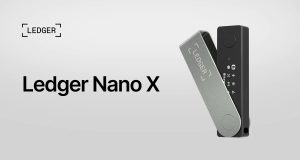
| Hardware wallet | Keeps private keys offline during normal use | Device loss, damage or recovery phrase exposure |
A hardware wallet does not make cryptocurrency risk-free. Users can still lose funds by approving malicious transactions, entering recovery phrases on fake websites or sending assets to the wrong address.
For long-term storage, learn how self-custody works before transferring a significant amount of cryptocurrency.
How to Choose the Best Australian Crypto Exchange for Your Needs
The best platform depends on your experience, trading habits and preferred payment methods. Use the following checklist to compare exchanges.
If you are a beginner
Prioritize:
- A clear and easy-to-understand interface.
- Transparent instant-buy pricing.
- Straightforward AUD deposits and withdrawals.
- Accessible account security features.
- Clear instructions for buying, selling and withdrawing crypto.
Do not choose an exchange solely because it advertises a large number of supported coins.
If you are an active trader
Prioritize:
- Competitive maker and taker fees.
- Tight spreads and sufficient market liquidity.
- Limit orders and other advanced order types.
- Reliable order execution.
- Trading pairs that match your strategy.
- Clear information about fees and market depth.
Compare the actual trading costs for the assets you intend to trade.
If you plan to hold cryptocurrency long term
Prioritize:
- Reliable withdrawal functionality.
- Support for the blockchain networks you use.
- Transparent custody information.
- Strong account protection.
- The option to transfer assets to a private wallet.
An exchange can be convenient for purchasing cryptocurrency without necessarily being the best place to store all of it indefinitely.
If you plan to make larger transactions
Review:
- Order-book depth and liquidity.
- Slippage on larger orders.
- Volume-based fee discounts.
- Over-the-counter trading availability.
- Withdrawal limits and verification requirements.
- The platform’s legal entity and custody arrangements.
A low advertised fee is less useful if a large order moves the market price significantly.
Common Risks of Using Cryptocurrency Exchanges
Even a well-known exchange carries risks. Understanding these risks can help users make more informed decisions.
Exchange failure or insolvency
An exchange may experience financial difficulties, operational problems or insolvency. If a platform becomes unable to process withdrawals, customers may face delays or may not recover all their assets.
Do not assume that exchange balances receive the same protections as money held in a traditional bank account.
Hacking and unauthorized access
Cyberattacks can target exchange systems, customer accounts and individual wallets. Strong passwords, two-factor authentication and withdrawal controls can reduce some risks but cannot guarantee safety.
Withdrawal restrictions
Exchanges may delay or restrict withdrawals because of identity checks, suspicious activity reviews, technical issues or regulatory requirements.
Read the platform’s withdrawal terms and understand its verification process before depositing substantial funds.
Market volatility
Cryptocurrency prices can change sharply over short periods. Even if an exchange operates properly, the value of the assets held in an account can fall significantly.
Australia’s Moneysmart service warns that crypto-assets are highly speculative and that investors should be prepared for the possibility of losing the money they invest.
Scams and impersonation
Fraudsters may imitate exchange websites, customer support representatives and investment advisers. Never share your password, one-time codes or wallet recovery phrase with another person.
Use the official exchange website and independently verify support channels.
Frequently Asked Questions About Australian Crypto Exchanges
What is the best Australian crypto exchange?
There is no single best exchange for every user. CoinSpot may appeal to beginners, Swyftx offers a range of trading features, and Independent Reserve is worth comparing for its order-book environment and volume-based pricing. Coinbase, Kraken and Binance Australia may also suit users depending on their preferred services and local availability.
Compare fees, spreads, AUD payment options, security and registration before choosing.
Which Australian crypto exchange has the lowest fees?
The lowest-cost exchange depends on the transaction type, trading volume, spread and payment method. CoinSpot lists 0.1% market trading fees and a 1% instant-buy fee. Swyftx publishes tiered trading fees, while Independent Reserve offers volume-based pricing.
Compare the complete transaction cost rather than relying on one advertised percentage.
Can I buy Bitcoin with AUD in Australia?
Yes. Australian users can buy Bitcoin with Australian dollars through exchanges that support AUD deposits and Bitcoin trading. Payment methods vary by platform and may include bank transfers, PayID or card payments.
Check the current deposit options, transaction limits and fees before making a purchase.
Are cryptocurrency exchanges regulated in Australia?
Certain virtual asset service providers must register with AUSTRAC and comply with applicable anti-money laundering and counter-terrorism financing obligations. Australia’s Digital Assets Framework Act 2026 is scheduled to commence in April 2027 and will bring certain digital asset platforms and tokenised custody platforms into the financial services licensing regime.
AUSTRAC registration and an AFSL are different regulatory requirements.
Is AUSTRAC registration the same as an AFSL?
No. AUSTRAC registration relates to obligations under Australia’s anti-money laundering and counter-terrorism financing framework. An Australian Financial Services Licence is issued under a separate financial services regulatory framework administered by ASIC.
A platform’s obligations depend on the services and products it provides.
Can I withdraw cryptocurrency from an exchange to my own wallet?
Many exchanges support cryptocurrency withdrawals to external wallets, but supported assets, networks, fees and limits vary. Confirm the receiving wallet’s network compatibility before sending funds.
Always test a new withdrawal process with a small amount if appropriate.
Is it safe to keep cryptocurrency on an exchange?
Keeping cryptocurrency on an exchange is convenient for trading, but it exposes users to platform, custody, cybersecurity and withdrawal risks. A private wallet gives users more direct control over their assets but requires them to protect their private keys and recovery phrase.
Neither option is completely risk-free.
Do Australian crypto exchanges require identity verification?
Registered platforms commonly require identity checks as part of their compliance obligations. Users may need to provide personal information and identity documents before depositing, trading or withdrawing funds.
Verification requirements vary by exchange and account activity.
Do I have to pay tax on cryptocurrency in Australia?
Australian tax treatment depends on how cryptocurrency is acquired, held, used and disposed of. Selling, exchanging or using crypto can trigger tax consequences in some circumstances.
The Australian Taxation Office provides guidance on crypto-asset transactions and record keeping. Keep records of purchases, sales, transfers, transaction dates, values in AUD and relevant fees. Consult a qualified tax professional for advice about your circumstances.
How can I check whether an Australian crypto exchange is legitimate?
Start by checking the exchange’s exact Australian legal entity in AUSTRAC’s public register. Review the official website, terms, fee schedule, withdrawal conditions and security disclosures. Also check ASIC announcements and independent information about the company.
Registration is an important compliance check, but it does not guarantee that an exchange is financially sound or that customer funds cannot be lost.
Conclusion: Compare Australian Crypto Exchanges Before Depositing Funds
Australian crypto exchanges offer different combinations of trading fees, AUD payment methods, supported assets and security features. CoinSpot, Swyftx and Independent Reserve are useful local platforms to compare, while Coinbase, Kraken and Binance Australia provide additional options subject to their Australian services and restrictions.
The most suitable exchange is not necessarily the one with the largest coin selection or the lowest advertised fee. Look at the complete cost of trading, verify the platform’s registration and legal entity, understand its withdrawal conditions, and assess how it protects customer accounts and assets.
Most importantly, remember that exchange security and regulatory registration do not remove the risks of cryptocurrency investing. Prices can fall sharply, platforms can experience operational or financial problems, and customers can lose access to their assets.
Research carefully, protect your accounts and never deposit more than you can afford to lose.
Disclaimer: This article is for informational and educational purposes only. It is not financial, investment, legal or tax advice. Cryptocurrency is volatile and may result in the loss of capital. Exchange features, fees, availability and regulatory requirements can change. Verify current information with the relevant exchange and Australian authorities before making financial decisions.