

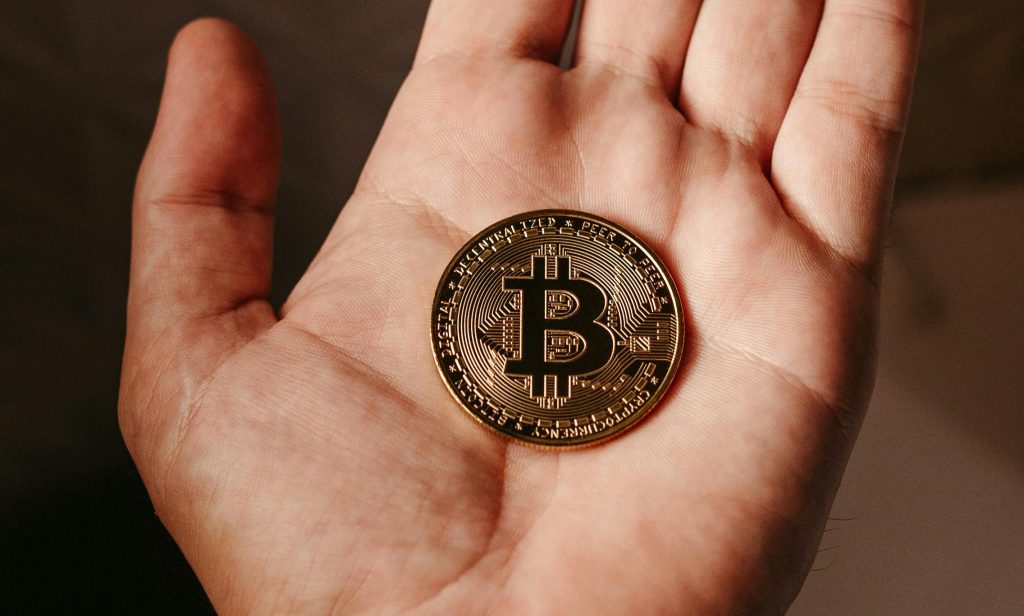
The rise of Bitcoin has transformed how people think about money, investing, and digital ownership. But as adoption grows, so do the risks—especially for beginners entering the market without a clear understanding of security, platforms, and best practices.
If you’re planning to buy Bitcoin in 2026, the process is more accessible than ever—but doing it safely requires a bit of knowledge and the right approach. This guide breaks it down step by step.
Why Safety Matters More Than Ever
Bitcoin is decentralized, meaning there’s no bank or authority to reverse transactions. While that’s one of its biggest advantages, it also means mistakes can be costly and permanent.
Common risks include:
- Phishing scams and fake exchanges
- Weak passwords or compromised wallets
- Sending funds to incorrect addresses
- Unverified or unreliable platforms
Understanding these risks is the first step toward protecting your investment.
Step 1: Choose a Trusted Platform
The foundation of safe Bitcoin buying is selecting a reliable exchange or service provider. Look for platforms that offer:
- Strong security features (2FA, encryption)
- Transparent fee structures
- Positive user reviews and reputation
- Regulatory compliance in your region
Avoid platforms that promise unrealistic returns or operate without clear company information. In 2026, legitimacy and transparency are non-negotiable.
Step 2: Verify Your Identity (KYC)
Most reputable platforms now require identity verification (Know Your Customer or KYC). While some users prefer anonymity, KYC helps:
- Prevent fraud and illegal activity
- Add a layer of account recovery protection
- Increase platform trustworthiness
Always ensure you’re submitting documents through a secure, official portal.
Step 3: Use Secure Payment Methods
How you pay for Bitcoin can significantly impact your safety. Popular methods include:
- Bank transfers
- Credit/debit cards
- Digital payment systems
In regions like Canada, Interac e-Transfer has become a widely trusted method due to its speed and built-in banking security. Many users prefer platforms that allow them to buy Canada Bitcoin through familiar payment channels, reducing friction while maintaining safety.
Step 4: Store Your Bitcoin Properly
Buying Bitcoin is only half the process—storing it securely is just as important.
Hot Wallets (Online)
- Convenient for frequent trading
- Connected to the internet
- Higher risk of hacking
Cold Wallets (Offline)
- Hardware or paper wallets
- Not connected to the internet
- Ideal for long-term storage
For beginners, a combination of both often works best: use a hot wallet for small amounts and a cold wallet for larger holdings.
Step 5: Enable Strong Security Measures
Basic security steps can dramatically reduce your risk:
- Use a strong, unique password
- Enable two-factor authentication (2FA)
- Avoid public Wi-Fi when accessing crypto accounts
- Regularly update software and wallets
Think of your crypto security like a layered defense system—the more layers, the better.
Common Mistakes to Avoid
Even experienced users can slip up. Here are a few mistakes beginners should watch out for:
- Falling for “too good to be true” investment schemes
- Storing all funds on an exchange
- Ignoring backup and recovery phrases
- Clicking on suspicious links or emails
Taking a cautious, informed approach will always outperform rushing in.
The Role of Research and Digital Visibility
As Bitcoin adoption grows, so does the importance of trustworthy information. Many crypto platforms today invest heavily in content marketing, technical SEO, and on-page optimization to educate users and build credibility.
You’ll also notice increasing use of conversion-focused UX design—clear interfaces, simplified onboarding, and transparent fee displays—to improve user trust and experience. For beginners, these signals can help distinguish reliable platforms from questionable ones.
Staying Updated in a Fast-Changing Market
The crypto space evolves quickly. Regulations, technologies, and best practices shift year to year. Staying informed through reputable blogs, communities, and official announcements is essential.
In 2026, trends like decentralized finance (DeFi), AI-driven trading tools, and improved blockchain scalability are shaping how users interact with Bitcoin. Keeping up with these developments will help you make smarter decisions.
Conclusion
Buying Bitcoin safely in 2026 isn’t complicated—but it does require awareness, patience, and the right tools. From choosing a trusted platform to securing your wallet and avoiding common pitfalls, every step plays a role in protecting your investment.
As the ecosystem matures, users who prioritize security and education will always have the upper hand. Start small, stay informed, and build your confidence over time—because in crypto, safety isn’t optional, it’s essential.