
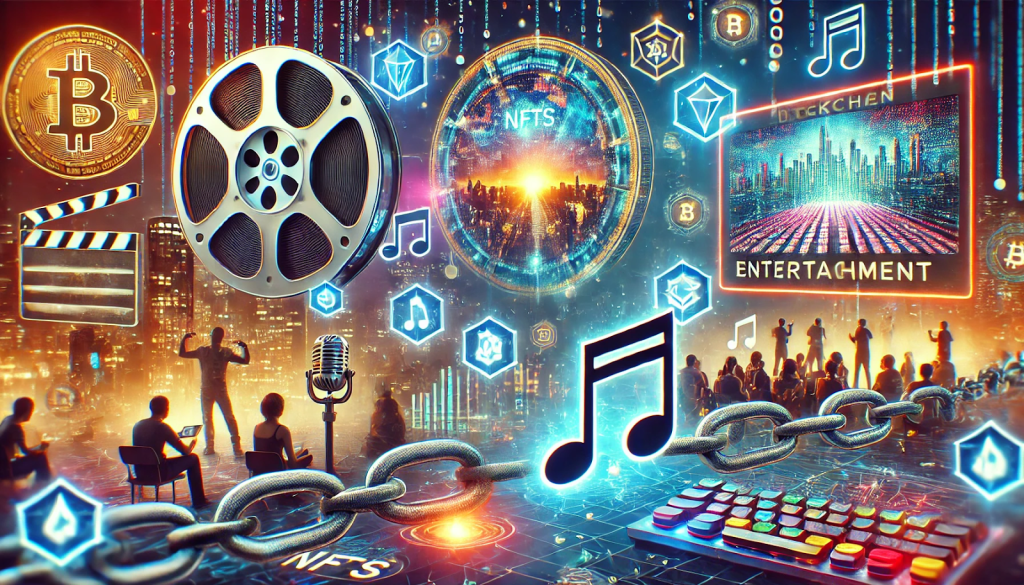
Imagine a world where artists get paid instantly, fans own a piece of their favorite movie, and gamers earn real money while playing. That’s not a distant dream, it’s happening now, thanks to crypto and blockchain technology. This exciting shift, often called crypto entertainment, is changing how we enjoy media and have fun. From music streaming to blockbuster films and video games, blockchain is injecting transparency and fairness into an industry that’s long been controlled by big players. It’s a fresh start, and it’s shaking things up in ways that benefit everyone involved.
How Blockchain Powers Crypto Entertainment
At the heart of this transformation lies blockchain, a decentralized system that records data securely and openly. Unlike traditional setups where companies hold all the power, blockchain spreads control across a network. This makes crypto entertainment safer, more transparent, and fairer for creators and fans alike. It’s not just about digital coins; it’s about building a system where trust isn’t an issue because every transaction or ownership claim is verified by the tech itself. For artists, this means less reliance on middlemen. For fans, it’s a chance to connect directly with what they love.
Cutting Out Middlemen with Smart Contracts
Smart contracts are like digital promises coded into the blockchain. They automatically handle tasks, like paying royalties, without needing a third party. Picture a musician uploading a song: as soon as someone streams it, the artist gets paid instantly. No delays, no hefty fees. This also works for filmmakers, where profits can split automatically among the crew based on pre-set rules. Here’s how it plays out:
- Musicians receive cash per stream without waiting months.
- Movie teams share earnings fairly, no paperwork needed.
This shift hands creators more control and keeps more money in their pockets, all thanks to smart contracts in entertainment.
Locking Down Piracy with Digital Ownership
Piracy has plagued creators for years, but blockchain offers a fix through digital ownership. By tying content to unique tokens, like NFTs, blockchain tracks who owns what. Think of an NFT as a digital deed: if you buy a special edition of a song or film, it’s yours, and no one can copy it without proof. This not only protects artists from losing revenue but also gives fans something rare and real to hold onto. It’s a practical way to fight theft while adding value to the entertainment experience.
Crypto Entertainment in Action: Real-World Examples
Crypto isn’t just a theory, it’s already making waves. Across music, film, and gaming, real projects show how blockchain turns ideas into action. These examples prove that crypto entertainment isn’t a fad; it’s a movement with staying power.
Music Streaming Goes Decentralized
Take Audius, a platform that’s rewriting the rules of music streaming. Unlike Spotify or Apple Music, where big companies take a hefty cut, Audius uses blockchain to pay artists directly. Musicians upload their tracks, fans stream them, and payments flow without a corporate middleman. The perks are clear:
- Artists earn more per play, not pennies.
- Fans can own exclusive songs or remixes.
It’s a win for creators who’ve long felt squeezed by traditional platforms, and it’s growing fast as more jump on board.
Movies and NFTs: A New Way to Own Films
Films are getting a crypto makeover, too. Zero Contact, a thriller starring Anthony Hopkins, didn’t just hit theaters, it was sold as NFTs. Fans could buy digital ownership stakes, from special scenes to full editions, all secured on the blockchain. This isn’t about replacing cinema; it’s about adding a layer where supporters get closer to the art. Directors and producers love it because it opens new revenue streams, while fans enjoy a piece of movie history. It’s a bold step away from the old distribution game.
Gaming with Crypto Rewards
Gaming’s gone crypto with play-to-earn models like Axie Infinity. Players raise cute digital creatures, battle, and earn crypto tokens they can cash out. It’s not just fun, it’s a paycheck. Some, in places like the Philippines, have turned it into a living. You can even find similar rewards in online gaming hubs offering a crypto casino bonus, where players get extra crypto to play with, blending entertainment with real earnings. By merging fun with financial upside, crypto gaming flips the script on how we see playtime. Developers benefit, too, as engaged players fuel the game’s economy. It’s a glimpse of how interactive media can pay off for everyone.
Why Crypto Entertainment Benefits Everyone
This isn’t a one-sided deal. Crypto entertainment creates a ripple effect of advantages for artists, fans, and even companies willing to adapt. It’s about leveling the field and sharing the wealth, literally and figuratively.
More Money and Control for Creators
For artists, the old system meant losing chunks of profit to labels, studios, or platforms. Crypto changes that. By cutting fees and middlemen, creators keep more of what they earn. A songwriter might see dollars per stream instead of cents. Filmmakers can fund projects directly through token sales, skipping studio gatekeepers. This financial boost comes with creative freedom, less dependence on corporate approval means more room to experiment and thrive.
Fans Get Closer to the Action
Fans aren’t left out either. With crypto, they’re not just consumers, they’re part of the story. Buying an NFT might mean owning a rare concert clip or a movie prop. Some platforms even let token holders vote on an artist’s next project. The benefits include:
- Holding unique digital collectibles.
- Helping shape what creators make next.
This direct link strengthens the bond between entertainers and their audience, turning passive enjoyment into active participation.
Challenges Holding Crypto Entertainment Back
It’s not all smooth sailing. Crypto entertainment faces real hurdles that slow its march forward. Being honest about these keeps the conversation grounded.
Price Swings and Adoption Gaps
Crypto prices can be a rollercoaster. One day your gaming earnings are worth $100; the next, they’re $50. This volatility spooks some creators and fans, making them hesitant to dive in. Plus, not everyone’s on board yet, many still see crypto as niche or confusing. Until more people embrace it, adoption will lag, keeping crypto entertainment from hitting its full stride.
Tech Still Needs to Grow
Blockchain isn’t perfect yet. It can be slow, especially when millions try to use it at once, think a packed virtual concert crashing mid-show. Energy use is another sticking point, though greener solutions are emerging. Developers are working hard to fix these scalability issues, but until they do, the tech’s growth will feel a bit clunky. Patience is key as it matures.
The Future of Crypto Entertainment
What’s next? Crypto entertainment is poised to explode, bringing more decentralization and opportunity. The possibilities are thrilling.
Tokenized Content Everywhere
Soon, tokenizing content could be the norm. Imagine every song, movie, or game level tied to an NFT or token. Creators could sell limited editions, fans could trade them, and the blockchain would keep it all legit. This tokenized entertainment model would make rarity and ownership a core part of media, flipping how we value digital goods.
Global Reach, No Borders
Crypto doesn’t care about borders. A filmmaker in Nigeria could sell NFTs to fans in Japan, no banks or currency hassles involved. This global reach lets creators tap markets they’d never touch otherwise, while fans access art from anywhere. It’s a borderless media world where talent, not location, drives success.
Final Thoughts
Crypto and blockchain are rewriting entertainment’s playbook. They hand artists power and profits, pull fans into the action, and challenge old systems to evolve. Sure, there are bumps, price swings and tech limits won’t vanish overnight. But the momentum is unstoppable. Creators are cashing in, fans are collecting, and the industry’s waking up to a decentralized future. It’s not just hype; it’s a new way to enjoy and create that’s here to stay.