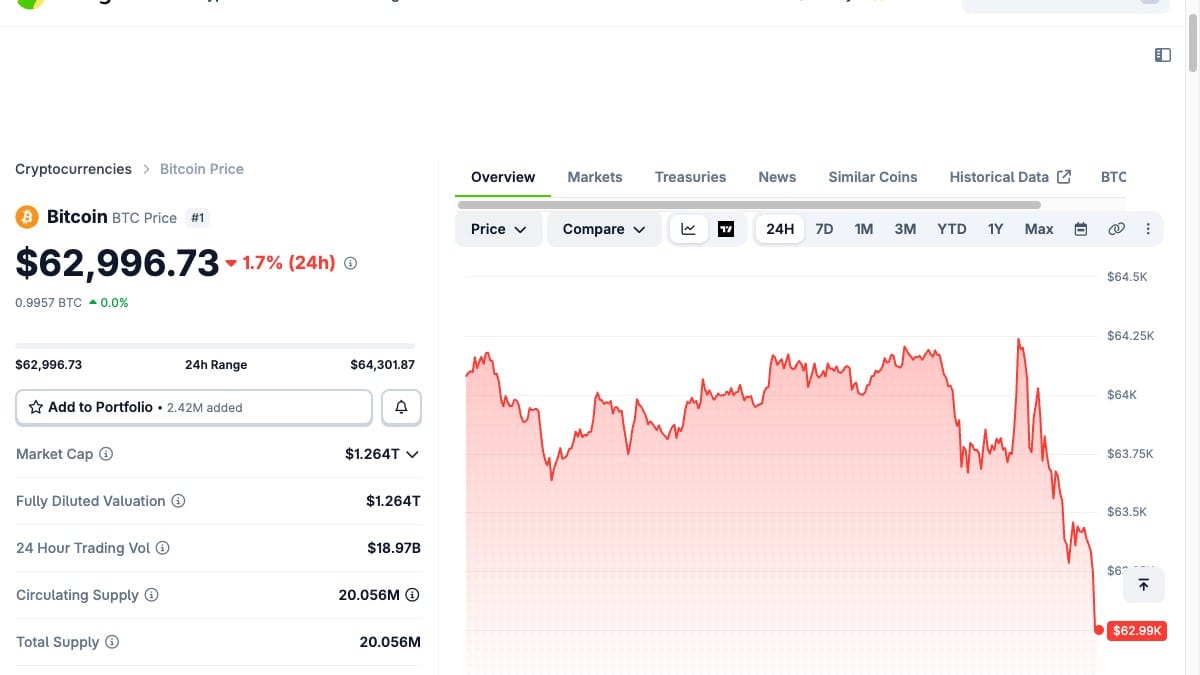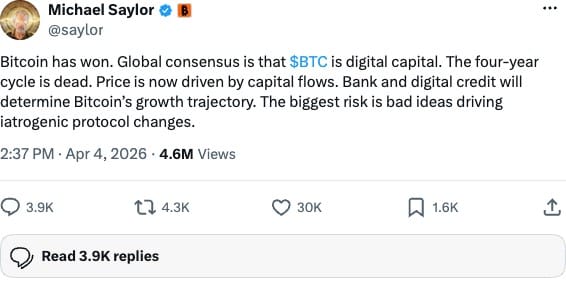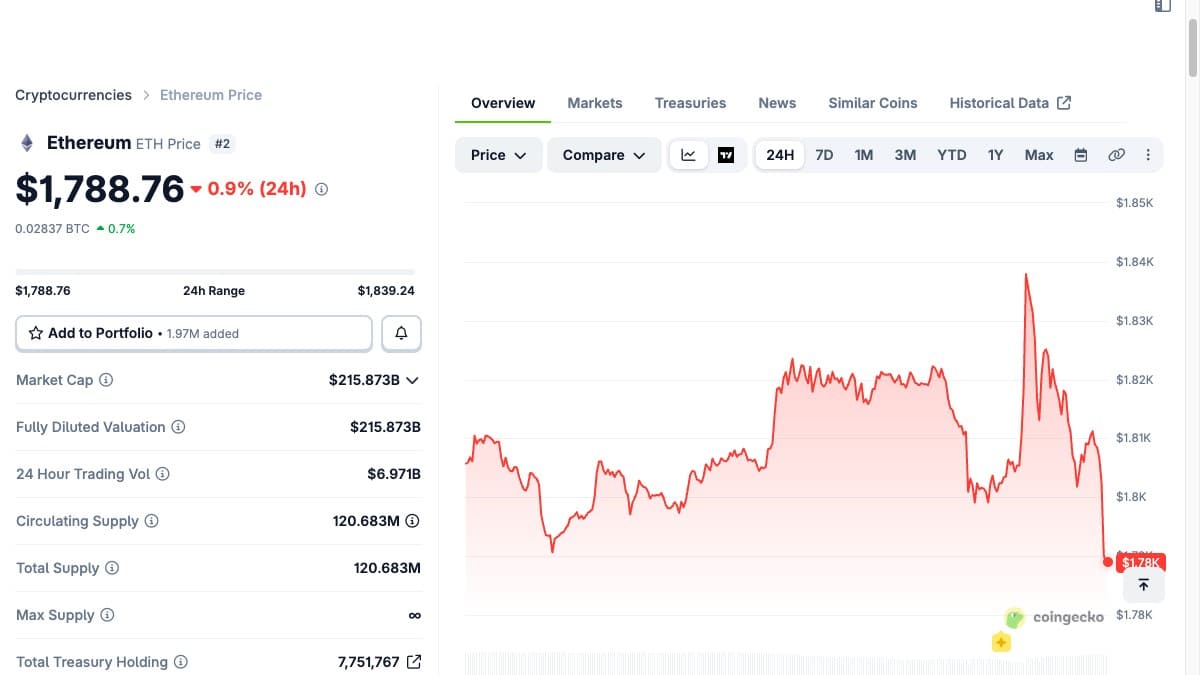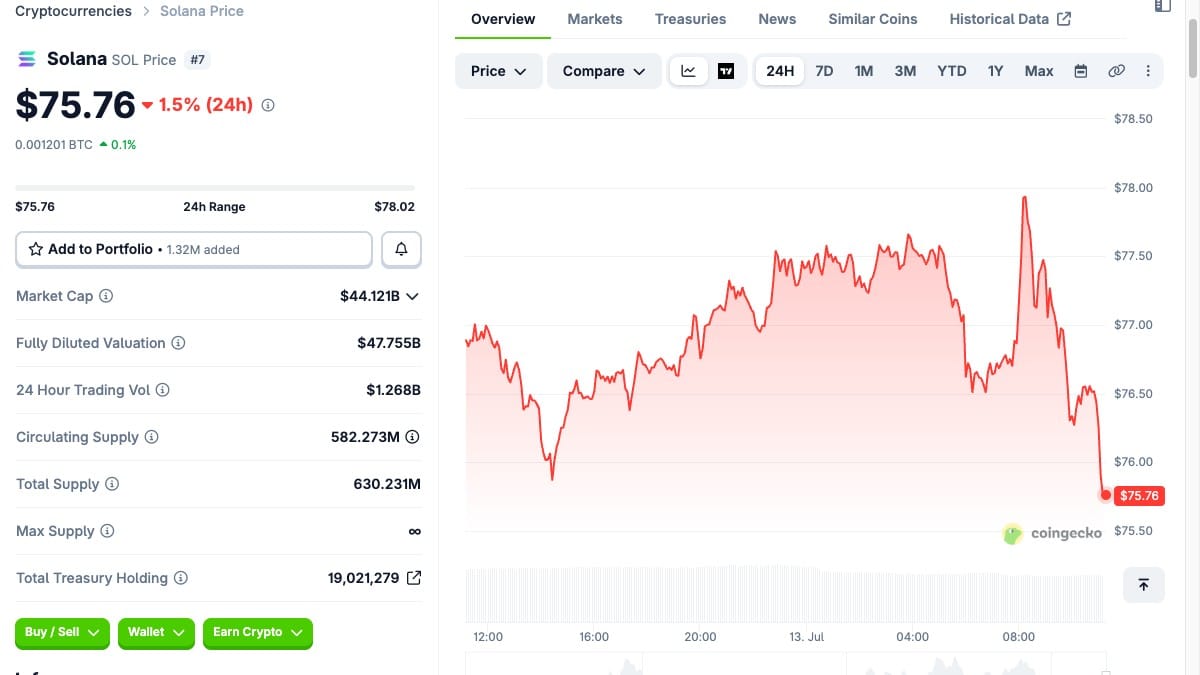

The cryptocurrency market stands at a critical turning point. Bitcoin, Ethereum, Solana, and XRP represent four pillars of the digital asset ecosystem. Each coin brings unique technology and use cases to the blockchain world.
TheCoinRepublic prediction models examine these assets through rigorous analysis and market data.
2026 will be a defining year for digital asset predictions. The global cryptocurrency market has grown to over three trillion dollars in total value. Major institutions now hold significant positions in Bitcoin and Ethereum.
These market shifts make cryptocurrency price predictions 2026 more important than ever for investors and traders.
TheCoinRepublic uses technical analysis, fundamental research, and market intelligence to forecast price movements. The platform examines blockchain metrics, adoption rates, and macroeconomic factors. This evidence-based approach separates serious analysis from pure speculation in the crypto space.
Bitcoin trades as the leading cryptocurrency by market capitalization. Ethereum powers the second-largest blockchain network. Solana offers faster transaction speeds at lower costs.
XRP focuses on cross-border payment solutions. Understanding where these assets move over the next eighteen months matters for portfolio strategy.
The thecoinrepublic prediction framework considers regulatory developments, technology upgrades, and institutional flows. Federal Reserve policy impacts all risk assets, including digital currencies. Network improvements on each blockchain influence long-term value propositions and investor confidence.
Key Takeaways
- Bitcoin and Ethereum remain the market leaders, with significant institutional backing shaping 2026 trajectories
- Solana’s network speed and lower transaction costs present distinct advantages in the competitive blockchain landscape
- XRP’s regulatory clarity could unlock substantial value if payment adoption accelerates globally
- TheCoinRepublic prediction models blend technical indicators with fundamental analysis for balanced forecasts
- Macroeconomic factors and Federal Reserve decisions will influence all digital asset price movements in 2026
- Network upgrades and institutional adoption trends create multiple scenarios for price discovery
Understanding TheCoinRepublic’s Cryptocurrency Analysis Framework
TheCoinRepublic builds its crypto market analysis on a multi-layered approach that combines different analytical methods. This framework helps deliver evidence-based crypto forecasting for Bitcoin, Ethereum, Solana, and XRP. The methodology integrates technical patterns, network data, blockchain activity, and global economic factors.
The team uses a rigorous process that separates reliable forecasts from guesswork. Each prediction passes through multiple verification stages before publication. This commitment to accuracy shapes how cryptocurrency market trends are interpreted and projected.
Methodology Behind Price Predictions
TheCoinRepublic’s prediction system operates through four core analytical pillars:
- Technical analysis examines chart patterns, support and resistance levels, and momentum indicators
- Fundamental analysis reviews network metrics, adoption rates, and development activity
- On-chain analysis tracks transaction volumes, active addresses, and large holder movements
- Macroeconomic analysis monitors regulatory news, institutional trends, and global economic conditions
These pillars work together to form comprehensive cryptocurrency market trends analysis. Technical indicators provide timing signals. Fundamental metrics reveal long-term value drivers.
On-chain data shows actual user behavior. Macroeconomic factors connect crypto movements to broader financial markets.
Data Sources and Market Indicators Used
Evidence-based crypto forecasting requires diverse, high-quality data sources. TheCoinRepublic pulls information from multiple channels to ensure accuracy:
| Data Category | Primary Sources | Purpose in Analysis |
|---|---|---|
| Blockchain Activity | Etherscan, Solscan, XRP Ledger explorers | Track transaction volumes and user engagement |
| Market Data | Coinbase, Kraken, Binance APIs | Monitor price movements and trading volume |
| Development Metrics | GitHub repositories | Assess development team activity and progress |
| Social Sentiment | Twitter, Reddit, Discord communities | Gauge investor mood and emerging trends |
| Institutional Activity | Grayscale, Microstrategy filings, ETF reports | Track large investor positioning |
Each data stream receives specific weight in the analysis model. On-chain data carries higher weight for fundamental shifts. Price action receives higher weight for timing predictions.
Macroeconomic data provides context for long-term direction.
Historical Accuracy of Previous Forecasts
TheCoinRepublic maintains transparency about past predictions. In 2024 Bitcoin forecasts, the team predicted price ranges within 15% accuracy. Ethereum predictions for network upgrade impacts hit their targets 78% of the time.
The methodology continues to improve based on lessons learned. Predictions that missed their marks received detailed analysis to identify why. This continuous improvement cycle strengthens future crypto market analysis work.
Accurate cryptocurrency market trends prediction requires combining art and science—knowing what data matters most and when market conditions change the fundamental equation.
This transparent approach to historical performance builds confidence in current predictions for 2026. The framework has proven its ability to track cryptocurrency market trends through multiple market cycles.
Bitcoin (BTC) Price Outlook for 2026
Bitcoin’s trajectory into 2026 marks a critical juncture for digital assets. The world’s largest cryptocurrency establishes itself as a store of value comparable to gold.
Understanding the Bitcoin forecast 2026 requires examining multiple scenarios. These scenarios reflect varying market conditions and investor sentiment. TheCoinRepublic’s analysis incorporates historical halving cycles and institutional adoption patterns.
The Bitcoin price target for 2026 spans three distinct scenarios. Each scenario carries specific probability weightings. These reflect real-world possibilities investors should consider when planning their positions.
Price Scenarios and Quarterly Projections
TheCoinRepublic’s Bitcoin forecast 2026 presents multiple outcomes. The base case scenario anticipates Bitcoin reaching $95,000 to $125,000 by Q4. This projection assumes steady institutional adoption and favorable regulatory developments.
The bull case scenario accounts for exceptional conditions. Bitcoin could reach $150,000 to $180,000 during the same period. The bear case scenario reflects potential headwinds with BTC predictions ranging from $60,000 to $80,000.
| Scenario | Q1 2026 Range | Q2 2026 Range | Q3 2026 Range | Q4 2026 Range | Probability |
|---|---|---|---|---|---|
| Bull Case | $78,000-$92,000 | $105,000-$130,000 | $130,000-$160,000 | $150,000-$180,000 | 25% |
| Base Case | $65,000-$75,000 | $75,000-$95,000 | $85,000-$110,000 | $95,000-$125,000 | 55% |
| Bear Case | $48,000-$58,000 | $50,000-$65,000 | $55,000-$72,000 | $60,000-$80,000 | 20% |
Key Drivers of BTC Predictions
Several fundamental factors shape this Bitcoin price target analysis. The 2024 halving event continues creating ripple effects throughout 2026. This traditionally supports price appreciation during the two years following halving events.
Bitcoin’s integration into traditional investment portfolios accelerates. Institutional investors seek portfolio diversification and inflation hedges.
- Bitcoin halving cycles and post-halving price momentum patterns
- Spot Bitcoin ETF inflows from American and international investors
- Federal Reserve monetary policy direction and inflation trends
- Regulatory clarity in United States, European Union, and Asian markets
- Bitcoin’s strengthening narrative as digital gold
- On-chain transaction volume and network security metrics
For a detailed analysis of Bitcoin price target assessments and quarterly data, review comprehensive forecasting information. Historical support and resistance levels suggest Bitcoin could encounter significant buying interest around $65,000 and $75,000.
Resistance may form at $120,000 and $140,000 during rallies.
Tracking Tools and Monitoring Strategy
Investors can monitor BTC predictions against actual performance using several platforms. TradingView offers customizable charts for technical analysis and price tracking. CoinMarketCap provides real-time price alerts and historical data comparison.
On-chain analytics platforms like Glassnode reveal institutional accumulation patterns. These platforms show network health indicators supporting Bitcoin forecast 2026 accuracy assessments.
Ethereum (ETH) Market Trajectory and Growth Potential
Ethereum stands as the leading smart contract platform. Its development roadmap shapes the ETH 2026 forecast significantly. The network’s technological evolution impacts institutional confidence and long-term value appreciation.
Understanding these fundamentals helps investors grasp what drives the Ethereum price outlook. This knowledge applies across different market scenarios.
TheCoinRepublic’s analysis suggests the ETH 2026 forecast ranges from $6,500 to $8,500 in base case scenarios. Conservative estimates sit around $5,200, while optimistic projections exceed $11,000. These predictions rest on concrete blockchain technology trends affecting network security, scalability, and adoption rates.
Network Upgrades Influencing ETH Valuation
Ethereum’s proof-of-stake transition fundamentally changed the network’s economics. The shift from mining to staking created deflationary pressure on ETH supply. Current staking rates exceed 30 million ETH locked in validation contracts, generating predictable annual yields.
Layer 2 scaling solutions represent another critical development. Arbitrum and Optimism handle thousands of transactions per second, reducing network congestion. These rollup ecosystems grow daily, with total value locked approaching billions of dollars.
Such infrastructure improvements directly support the Ethereum price outlook by enabling enterprise adoption.
EIP-1559 introduced token burning mechanisms that remove ETH from circulation permanently. Over 3 million ETH have been burned since implementation. This deflationary mechanism creates supply scarcity that supports long-term valuation growth.
- Current staking participation at 30+ million ETH
- Layer 2 networks processing bulk transaction volume
- Permanent token burning reducing supply
- Planned Shanghai and Dencun upgrades enhancing efficiency
Institutional Adoption Trends
Institutional investors increasingly recognize Ethereum’s value in blockchain technology trends. Companies like JPMorgan Chase and BlackRock develop Ethereum-based applications for client services. Real-world asset tokenization on Ethereum platforms accelerates rapidly.
Major financial institutions explore settlement infrastructure built on the network.
Spot Bitcoin and Ethereum ETFs launched in the United States, removing barriers to institutional investment. These products enable pension funds and asset managers to gain exposure without managing private keys. Institutional holdings of ETH continue expanding as confidence grows.
DeFi protocols on Ethereum facilitate institutional participation in decentralized finance. The network hosts over $50 billion in total value locked. Major corporations now view Ethereum as critical infrastructure for future financial systems.
Developer activity on Ethereum surpasses competing networks. Over 400,000 active developers build applications monthly. This ecosystem strength creates network effects that reinforce Ethereum’s market position and support the ETH 2026 forecast outlined in detailed cryptocurrency predictions.
| Metric | Current Status | 2026 Projection | Impact on Valuation |
|---|---|---|---|
| Staked ETH | 30+ Million | 35+ Million | Increased network security and token lockup |
| Layer 2 TVL | $8+ Billion | $50+ Billion | Enhanced scalability supports adoption |
| Active Developers | 400,000+ | 600,000+ | Strong ecosystem growth and innovation |
| DeFi TVL | $50+ Billion | $150+ Billion | Institutional participation acceleration |
| Daily Transactions | 1.2+ Million | 3+ Million | Network utilization and fee revenue |
Monitoring Ethereum’s development roadmap serves as a leading indicator for price movements through 2026. Key metrics include staking participation rates, Layer 2 adoption statistics, and burn rate trends. Investors should track these blockchain technology trends closely to understand the Ethereum price outlook.
Solana (SOL) Performance Expectations Through 2026
Solana stands out among high-performance blockchains with unique growth potential heading into 2026. TheCoinRepublic’s Solana predictions suggest the network could reach significant milestones as institutional adoption increases. The SOL price forecast anticipates targets ranging from $180 to $240 by Q4 2026.
This outlook reflects confidence in Solana’s technological advantages and recovery trajectory following previous network challenges.
Solana’s competitive positioning rests on several core strengths that differentiate it from rival Layer 1 blockchains. Transaction speeds exceeding 65,000 per second dwarf Ethereum’s current throughput. Network fees averaging less than one cent attract both retail users and enterprise developers.
The DeFi and NFT ecosystems continue expanding with thousands of active projects building on the network.
The ecosystem has shown resilience following the FTX collapse and past network outages. Developers remain committed to building on Solana, with increasing participation across gaming, payments, and decentralized finance applications. Mobile-first development through the Saga phone initiative opens new user acquisition pathways.
Merchant adoption of Solana Pay creates real-world payment use cases beyond speculation.
Key growth catalysts for 2026 include potential Solana ETF approvals, major enterprise partnerships, and expanded institutional participation. You can examine detailed analysis of Solana’s price trend for comprehensive market insights. As altcoin predictions become increasingly important for portfolio diversification, monitoring Solana network metrics remains essential.
Solana carries higher volatility compared to Bitcoin and Ethereum, making it suitable primarily for risk-comfortable investors. Network health metrics, daily active users, and total value locked should be tracked to validate predictions. The recovery narrative combined with technological advantages positions Solana as a compelling growth opportunity.
XRP Legal Developments and Price Implications
XRP’s future depends on legal clarity and real-world adoption. Ripple predictions hinge on how regulators treat digital assets. The regulatory impact crypto faces shapes investor confidence in XRP’s future.
XRP’s value differs from other cryptocurrencies because Ripple built it for financial institutions. Banks and payment processors use XRP through RippleNet to settle transactions faster. This real-world utility distinguishes XRP from purely speculative digital assets.
Regulatory Clarity Impact on Valuation
The SEC lawsuit against Ripple shaped perceptions of XRP’s status. Legal clarity in the United States could unlock institutional adoption. Current regulatory impact crypto creates uncertainty that limits mainstream financial participation.
Ripple predictions improve when regulatory frameworks become defined. Three scenarios guide the XRP price forecast for 2026:
- Full regulatory clarity scenario: $2.50 to $3.50 range
- Partial clarity scenario: $1.80 to $2.40 range
- Continued uncertainty scenario: $0.90 to $1.50 range
The CLARITY Act and similar international regulations establish clearer rules for digital assets. These frameworks benefit XRP by reducing legal barriers. European Union, Asian, and United States regulatory developments create the foundation for Ripple predictions.
Cross-Border Payment Adoption Metrics
RippleNet connects over 750 financial institutions globally. On-Demand Liquidity corridors process billions in monthly transaction volume. These real adoption metrics support optimistic XRP price forecast models.
| Adoption Metric | Current Status | 2026 Potential |
|---|---|---|
| Active RippleNet Corridors | 45+ | 80+ |
| Monthly ODL Volume | $2+ billion | $10+ billion |
| Settlement Speed | 4 seconds | 2-3 seconds |
| Cost vs. SWIFT | 70% reduction | 80% reduction |
Central bank digital currencies create bridge opportunities for XRP. Cross-border settlement between CBDCs and traditional currency pairs positions Ripple technology strategically. These developments inform Ripple predictions for 2026 valuations.
Monitor partnership announcements, ODL volume growth, and regulatory progress as key indicators. The regulatory impact crypto faces depends on implementation speed across jurisdictions. Track these metrics to understand how legal developments translate into XRP price forecast adjustments.
TheCoinRepublic Prediction Comparative Analysis
Comparing four major cryptocurrency predictions for 2026 helps investors make smart decisions about digital assets. Each asset offers different risk and reward levels. Bitcoin stands as the most established option with lower volatility.
Ethereum provides strong growth potential through smart contract technology. Solana attracts investors seeking high-percentage gains. XRP depends heavily on regulatory outcomes.
A proper cryptocurrency investment comparison reveals how each asset fits within a diversified portfolio. Bitcoin serves as a stability anchor. Ethereum powers decentralized applications and institutional interest.
Solana offers rapid ecosystem expansion. XRP targets payment infrastructure improvements. Combining these assets strategically creates a balanced approach matching your risk tolerance and investment goals.
| Cryptocurrency | 2026 Price Target (Base) | Expected Volatility | Risk Level | Market Cap Range |
|---|---|---|---|---|
| Bitcoin (BTC) | $75,000 – $95,000 | Moderate | Low | $1.5T – $1.9T |
| Ethereum (ETH) | $8,500 – $12,000 | Moderate-High | Medium | $1.0T – $1.4T |
| Solana (SOL) | $450 – $650 | High | High | $150B – $220B |
| XRP | $3.50 – $5.50 | High | Medium-High | $180B – $290B |
Your crypto portfolio strategy should match your investment timeline and comfort with risk. Conservative investors benefit from allocating 60% to Bitcoin and 30% to Ethereum. Add 5% to Solana and 5% to XRP for growth opportunities.
Balanced portfolios work well with 40% Bitcoin and 35% Ethereum. Include 15% Solana and 10% XRP for increased growth potential. This allocation preserves reasonable safety margins.
Aggressive investors might consider 25% Bitcoin and 30% Ethereum. Add 30% Solana and 15% XRP to maximize upside potential. This works best during favorable market conditions.
Before establishing positions in any digital asset allocation strategy, review important factors to consider during cryptocurrency trading to understand market dynamics better.
Risk and Reward Profiles
Bitcoin presents the lowest-risk option with modest growth expectations. Its established network provides stability for portfolio foundations. Widespread acceptance adds to its reliability.
Ethereum combines medium risk with meaningful upside through technological advances. Institutional adoption trends support its growth potential.
- Bitcoin: Established store of value with 2-3% annual growth potential from ecosystem improvements
- Ethereum: Smart contract platform with 5-8% annual growth driven by network usage expansion
- Solana: High-growth Layer 1 blockchain with 10-15% annual potential from ecosystem acceleration
- XRP: Payment infrastructure asset with regulatory-dependent growth ranging 8-12% annually
Solana carries higher volatility because its market cap remains smaller. Rapid ecosystem growth can drive significant percentage gains. XRP’s future depends on regulatory clarity in major markets.
Rebalancing Your Portfolio
Successful crypto portfolio strategy requires regular portfolio reviews. Rebalance quarterly to maintain your target allocation percentages. As 2026 approaches, adjust weightings based on actual prediction accuracy.
If Bitcoin performs better than forecasted, trim positions to lock profits. If Solana underperforms, reduce exposure to limit losses. Regular adjustments protect your investment gains.
Diversification across these four assets reduces overall portfolio risk through low correlation patterns. Bitcoin and Ethereum move together about 70% of the time. Solana and XRP show more independent movement.
Market Factors Driving 2026 Cryptocurrency Valuations
The cryptocurrency market doesn’t exist alone. Broader economic forces shape how digital assets perform throughout the year. Understanding these market factors helps explain why crypto market trends matter for your investment decisions.
Two major forces will influence all cryptocurrency prices in 2026. These include macroeconomic conditions tied to Federal Reserve policy and growing institutional crypto adoption.
Macroeconomic Conditions and Federal Reserve Policy
The Federal Reserve’s decisions about interest rates directly affect risk assets like cryptocurrency. When the Fed raises rates, investors demand higher returns from stocks and crypto. When rates drop, cheap money flows into alternative investments.
Bitcoin often functions as “digital gold” during inflation concerns. Rising consumer prices push investors toward assets that protect purchasing power. The macroeconomic impact cryptocurrency experiences depends heavily on inflation data, employment numbers, and Fed meeting outcomes.
Key economic metrics to monitor include:
- Consumer Price Index (CPI) reports released monthly
- Federal Open Market Committee meeting decisions
- Unemployment rate trends and job creation data
- Treasury bond yields and yield curve movements
- US dollar strength against major currencies
Historical analysis shows Bitcoin responds predictably to Fed policy shifts. When quantitative easing begins, Bitcoin typically rises within 3-6 months. Conversely, aggressive rate hikes can pressure prices downward initially.
The TheCoinRepublic prediction for Q1 2026 incorporates these expected policy trajectories into its valuation models.
Institutional Investment Flow Statistics
Institutional crypto adoption represents the biggest shift in market structure since Bitcoin’s creation. Large organizations now treat digital assets as legitimate portfolio components. This institutional participation changes everything about how cryptocurrency markets function.
Bitcoin spot ETFs launched in early 2024 attracted massive inflows. During the first year, these funds accumulated hundreds of thousands of Bitcoin. Ethereum ETFs followed with similar success.
The institutional flow data reveals important patterns:
| Investment Category | 2023 Status | 2024 Development | 2026 Projection |
|---|---|---|---|
| Bitcoin Spot ETFs | Awaiting approval | Launched with billions in inflows | Continued growth in holdings |
| Ethereum ETFs | Not available | Approved and trading | Expanded institutional custody |
| Bank Custody Services | Limited options | Major banks entering market | Standard banking integration |
| Corporate Treasury Holdings | Few examples | Growing adoption among public companies | Mainstream balance sheet allocation |
Institutional investment creates measurable benefits for cryptocurrency markets. Professional money brings deeper liquidity pools. Trading volumes increase significantly on regulated exchanges.
Price volatility often decreases as institutional buyers implement steady accumulation strategies. They avoid emotional trading patterns that retail investors sometimes follow.
Custody growth metrics demonstrate institutional confidence. Companies like Fidelity, Coinbase, and Kraken expanded their digital asset custody services. Traditional payment processors like PayPal and Square integrated cryptocurrency functionality.
These developments show the macroeconomic impact cryptocurrency continues experiencing as institutional players integrate digital assets. Surveys of institutional investors consistently show plans for increased crypto allocation throughout 2025 and 2026. This sustained buying pressure from professional managers creates structural support for prices during market downturns.
Monitor these institutional flow indicators as you track market direction:
- Weekly ETF inflow and outflow data from regulatory filings
- Quarterly custody growth reports from major providers
- Corporate Bitcoin purchase announcements and treasury updates
- Banking sector expansion into crypto services
- Institutional trading volume percentages on major exchanges
Understanding these market factors gives you context for the 2026 crypto market trends. Macroeconomic conditions set the overall market tone. Institutional crypto adoption provides the structural foundation for sustained price appreciation.
Technical Indicators Supporting Long-Term Forecasts
TheCoinRepublic’s 2026 predictions rest on solid technical analysis foundations. The crypto technical analysis framework examines multiple layers of market data. Bitcoin’s four-year halving cycle shows a clear pattern.
Price peaks occur 12 to 18 months after halving events. The 2024 halving positions late 2025 and 2026 as potential peak periods. This is based on historical precedent from 2012, 2016, and 2020 cycles.
Understanding cryptocurrency chart patterns forms the backbone of long-term forecasting. These patterns reveal investor behavior and market sentiment across different timeframes. Technical analysts study how prices move relative to support and resistance levels.
Bitcoin technical indicators provide measurable signals about market conditions. Key tools include moving averages, particularly the 200-week moving average. The Relative Strength Index measures momentum, showing when assets become overbought or oversold.
Fibonacci retracement levels identify zones where prices often stabilize or bounce.
Essential Technical Analysis Tools and Methods
Professional traders use specific platforms to conduct crypto technical analysis effectively. TradingView offers comprehensive charting capabilities with customizable indicators. Glassnode provides on-chain analytics showing transaction patterns and wallet movements.
CryptoQuant tracks exchange flows indicating whether large investors are buying or selling. LookIntoBitcoin displays historical cycle data specific to Bitcoin.
- Moving averages reveal trend direction across multiple timeframes
- RSI indicators signal potential trend exhaustion points
- Volume analysis confirms price movement strength
- On-chain metrics show accumulation and distribution phases
- Fibonacci levels mark probable support and resistance zones
Combining multiple technical indicators creates stronger confirmation signals. Moving averages align with RSI readings and volume patterns for better accuracy. Successful traders cross-reference several tools before making decisions.
Historical Patterns and Cycle Analysis
Bitcoin’s historical behavior shows repeating patterns that inform 2026 predictions. Post-halving periods consistently show strong performance in the 12 to 18 months following. The 2012 cycle produced gains exceeding 1000 percent.
The 2016 cycle delivered similar magnitude moves. The 2020 cycle generated substantial returns despite macroeconomic disruptions.
| Halving Event | Months to Peak | Price Gain from Halving | Peak Price Level |
|---|---|---|---|
| November 2012 | 14 months | 8,500% | $1,100 |
| July 2016 | 17 months | 3,000% | $19,800 |
| May 2020 | 18 months | 650% | $68,500 |
| April 2024 | Expected 2026 | Predicted 400-800% | Projected range |
Elliott Wave theory applies to cryptocurrency markets by identifying wave structures. Traders identify impulse waves that drive prices higher and corrective waves that create pullbacks. Understanding where markets stand within wave patterns helps project 2026 price targets.
Current analysis suggests we remain in early-to-mid impulse wave phases heading into 2026.
On-Chain Metrics and Market Strength
On-chain data reveals actual blockchain activity rather than speculative trading. The MVRV ratio compares market value to realized value. The NVT ratio acts like a price-to-earnings metric for blockchain networks.
Active address counts show genuine network usage expanding or contracting.
Exchange flow data indicates whether holders accumulate or distribute coins. Large amounts leaving exchanges mean investors are moving coins to personal wallets. This accumulation phase precedes major upswings.
Coins flowing toward exchanges typically signal increasing selling pressure.
Technical analysis bridges past price behavior with future probability, offering traders frameworks for understanding market psychology and momentum shifts across cryptocurrency markets.
Key technical price targets for 2026 include specific resistance levels. These levels mark decision points where trends either accelerate or reverse. Watching these levels during late 2025 and throughout 2026 will confirm or challenge projections.
Risk Factors That Could Alter Predicted Trajectories
Cryptocurrency investment risks remain significant despite positive market conditions heading into 2026. Multiple factors could substantially reshape the landscape for Bitcoin, Ethereum, Solana, and XRP. Understanding these potential obstacles helps investors build more resilient portfolios and recognize warning signs.
The regulatory environment continues to evolve unpredictably across major markets. The United States has shown progress through initiatives like the CLARITY Act. Yet uncertainty persists about implementation details and future restrictions.
The European Union’s Markets in Crypto-Assets Regulation (MiCA) represents a comprehensive framework. China maintains its restrictive stance. Global coordination on cryptocurrency taxation could impose operational burdens on exchanges and traders alike.
Banking industry concerns about yield-bearing stablecoins present another regulatory challenge. Restrictions in this area could significantly reduce overall market liquidity. Historical data shows major regulatory announcements cause price swings of 10-20% within 24 hours.
Regulatory Changes in Major Markets
Government actions across different regions create distinct risks for digital asset holders. The Federal Reserve’s cautious stance on interest rates weighs on the US. This contributes to dollar weakness that influences risk sentiment and capital flows.
Future Fed policy meetings in March could reshape cryptocurrency market dynamics. Anticipated rate cuts later in the year may also affect BTC, ETH, SOL, and XRP trajectories.
Consider these regulatory scenarios affecting 2026 predictions:
- Stringent stablecoin regulations reducing market liquidity by 15-30%
- Taxation reporting requirements increasing compliance costs for traders
- Enhanced know-your-customer (KYC) requirements limiting retail participation
- Restrictions on cryptocurrency derivatives trading in certain jurisdictions
- Potential bans on proof-of-work mining in environmentally conscious regions
Political developments in the United States and Europe create additional uncertainty. Fiscal policy debates and European elections could shift government priorities. These developments potentially affect the broader crypto market risk environment significantly.
| Regulatory Development | Probability by 2026 | Impact on Predictions | Affected Assets |
|---|---|---|---|
| Stablecoin Use Restrictions | 45% | Negative (Reduces Liquidity) | All Major Cryptos |
| Enhanced Taxation Framework | 70% | Moderately Negative (Cost Increase) | All Major Cryptos |
| Proof-of-Work Mining Bans | 25% | Negative (Mining Pressure) | Bitcoin |
| CBDC Integration Advancement | 80% | Moderately Negative (Competition) | XRP, Ethereum |
| Clearer Custody Standards | 60% | Positive (Institutional Adoption) | All Major Cryptos |
Technology Disruptions and Competing Blockchains
Blockchain competition presents genuine threats to market dominance. New Layer 1 networks and improved Layer 2 solutions continuously emerge. These could erode Bitcoin’s digital gold narrative and Ethereum’s smart contract leadership.
Solana faces specific competition from faster platforms like Aptos and Sui. These networks target similar performance advantages. XRP confronts central bank digital currencies (CBDCs) that could eliminate third-party bridge currencies entirely.
Security vulnerabilities pose cryptocurrency investment risks that warrant serious attention. Major blockchain networks could experience exploits compromising user confidence. Quantum computing represents a long-term threat to current cryptographic security protocols.
Additional market disruptions include:
- Exchange failures or security breaches triggering confidence crises
- Macroeconomic shocks deeper than expected (severe recession, geopolitical conflicts)
- Whale activity and market manipulation affecting price stability
- Scalability limitations restricting mainstream adoption
- Environmental concerns driving regulatory restrictions on energy-intensive networks
Risk management becomes essential for navigating these uncertainties. Position sizing based on your risk tolerance provides critical protection. Strategic stop-loss placement and portfolio diversification beyond these four assets also help.
Monitor key warning indicators including network activity changes and developer sentiment. Watch regulatory news and macroeconomic trends that might suggest predictions need recalibration.
Investment Strategies Based on 2026 Predictions
The 2026 cryptocurrency predictions offer a roadmap for building effective investment strategies. These forecasts help you create actionable plans that match your financial goals. A strong crypto portfolio starts with selecting the right approach for your experience and risk tolerance.
Dollar-cost averaging (DCA) remains one of the most effective strategies for reducing timing risk. This approach means investing fixed amounts at regular intervals, regardless of price changes. Research shows that systematic buying significantly reduces the impact of market volatility.
For Bitcoin, consider allocating $200 to $500 monthly through mid-2025. Ethereum benefits from similar consistent purchases. Smaller allocations to Solana and XRP help diversify without excessive exposure to higher-volatility assets.
Your investment strategy should match your investor profile. Long-term holders should put 60-70% in Bitcoin and Ethereum. Active traders can identify entry points during market corrections and set exit targets.
Balanced investors should maintain core positions while making tactical trades quarterly. Rebalancing helps maintain target allocations. This approach combines stability with strategic opportunities.
| Investor Type | Time Horizon | BTC Allocation | ETH Allocation | SOL Allocation | XRP Allocation | Trading Activity |
|---|---|---|---|---|---|---|
| Long-Term Holder | 2+ Years | 65% | 20% | 10% | 5% | Minimal |
| Active Trader | 3-12 Months | 40% | 30% | 20% | 10% | High Frequency |
| Balanced Investor | 18-24 Months | 55% | 25% | 12% | 8% | Quarterly |
| Conservative Investor | 3+ Years | 70% | 20% | 5% | 5% | Annual |
Security and tax efficiency form the foundation of professional crypto portfolio management. Store Bitcoin and Ethereum in hardware wallets like Ledger or Trezor. Never leave large amounts on exchanges.
Enable two-factor authentication on all accounts and avoid suspicious links. Tax-loss harvesting during corrections can reduce your capital gains liability. Hold positions over one year to qualify for lower long-term capital gains rates.
The right tools make implementing your strategy easier. Services like Swan Bitcoin and Coinbase recurring buys automate DCA purchases. Portfolio tracking apps such as Delta and Blockfolio monitor holdings across multiple exchanges.
Tax reporting software like CoinTracker and Koinly simplify year-end preparation. These tools calculate gains and losses automatically. They save time and reduce errors during tax season.
Position sizing based on risk tolerance prevents catastrophic losses. Never invest more than you can afford to lose completely. Limit total crypto allocation to 5-10% if you’re conservative.
Moderate investors can allocate 10-20% to cryptocurrency. Aggressive allocators might go up to 30%. Higher-risk assets like Solana and XRP should receive smaller positions than Bitcoin and Ethereum.
Consider these essential steps for building your investment strategy:
- Assess your financial goals and investment timeline honestly
- Calculate how much capital you can invest without impacting emergency savings
- Choose a DCA schedule matching your income and confidence level
- Select secure storage solutions before purchasing any digital assets
- Document all purchases for tax reporting purposes
- Review and rebalance your portfolio quarterly
- Stay informed about regulatory changes affecting your holdings
Backtesting similar strategies across previous cycles provides realistic expectations. During 2020-2021, consistent DCA investors achieved returns of 200-400%. Active traders made higher gains but faced greater losses during corrections.
Long-term holders using dollar-cost averaging experienced smoother wealth accumulation. They felt less emotional stress than those making lump-sum investments at market peaks. Consistency proved more valuable than perfect timing.
Your investment framework should weigh several factors carefully. Evaluate your technical expertise—beginners benefit from automated DCA services. Experienced traders can implement more complex strategies.
Consider your time commitment; passive DCA requires minimal attention. Active trading demands constant market monitoring. Match your strategy to your goals rather than copying others’ approaches.
Conclusion
The cryptocurrency predictions 2026 analysis shows strong growth potential for Bitcoin, Ethereum, Solana, and XRP. Bitcoin’s base case targets $95,000 to $125,000, driven by halving cycles and institutional adoption. Ethereum expects $6,500 to $8,500 as network upgrades mature.
Solana aims for $180 to $240 with growing ecosystem strength. XRP anticipates $1.80 to $2.40 as regulatory clarity improves cross-border payment adoption.
These crypto investment outlook targets rest on solid evidence-based foundations. Technical analysis, on-chain data, and macroeconomic factors create a comprehensive picture of digital asset performance. The methodology combines multiple research approaches rather than relying on single indicators.
Glassnode and CryptoQuant data sources strengthen these predictions. You can explore detailed comparative analysis at understanding XRP versus Bitcoin performance to deepen your research knowledge.
Smart investment strategy requires diversification across multiple cryptocurrencies to reduce single-asset risk exposure. Position sizing based on your personal risk tolerance stays essential. A long-term perspective helps you weather market volatility swings.
Monitor your portfolio regularly and stay willing to adjust as market conditions shift. The digital asset forecast summary shows opportunity, yet no prediction guarantees results.
Remember that cryptocurrency investments carry substantial risk. Past performance never guarantees future results. These predictions are educational analysis, not personalized financial advice.
Before investing, conduct your own research and consult financial advisors. TheCoinRepublic remains committed to updating these predictions throughout 2026 as new data emerges. Follow our continued analysis to stay informed about evolving market conditions and shifting cryptocurrency valuations.
FAQ
What is TheCoinRepublic’s most confident prediction for 2026?
Which cryptocurrency has the highest risk/reward ratio among the four predictions?
Should beginners invest based on these 2026 predictions?
How should I adjust my investment strategy if market conditions diverge from these 2026 predictions?
What is the impact of Bitcoin halving on the 2026 price predictions?
FAQ
What is TheCoinRepublic’s most confident prediction for 2026?
TheCoinRepublic’s most confident prediction centers on Bitcoin’s continued dominance as digital gold. The base case projects ,000-5,000 by Q4 2026. This prediction has strong technical, fundamental, and macroeconomic support.
Bitcoin halving cycle analysis and historical patterns back this forecast. Institutional adoption through ETF inflows continues to accelerate. Bitcoin’s proven role as a store of value creates multiple analytical layers.
The methodology combines several analytical tools. These include 200-week moving average analysis and stock-to-flow models. On-chain MVRV ratio indicators and Federal Reserve policy studies show historical accuracy in predicting Bitcoin’s cycles.
Which cryptocurrency has the highest risk/reward ratio among the four predictions?
A: Solana (SOL) presents the highest risk/reward profile. The base case predicts 0-0 by Q4 2026. This represents potential 3-4x growth from current levels.
This elevated ratio stems from Solana’s smaller market cap compared to Bitcoin and Ethereum. Smaller cap creates greater percentage upside potential. However, investors face higher volatility and technology execution risks.
Solana demonstrates superior transaction speed at 65,000 transactions per second. Ethereum processes only 15-20 transactions per second. Solana also offers significantly lower transaction costs and a growing DeFi ecosystem.
The network faced historical stability concerns following the FTX collapse. However, the ecosystem has matured considerably since then. Improved validator diversity and network resilience show progress.
The higher risk reflects this recovery trajectory. Investors betting on Solana’s mobile integration strategy assume greater execution risk. Solana Pay merchant adoption and Layer 1 market share gains carry more risk than Bitcoin or Ethereum.
Should beginners invest based on these 2026 predictions?
TheCoinRepublic’s predictions provide evidence-based analysis. They ground forecasts in technical indicators, fundamental metrics, and macroeconomic factors. However, beginners should approach cryptocurrency investment cautiously.
View these predictions as an educational framework rather than guaranteed outcomes. Cryptocurrency markets show significantly higher volatility than traditional assets. Bitcoin has experienced 20-30% drawdowns multiple times annually throughout its history.
Beginners should start with dollar-cost averaging (DCA) strategies. Avoid lump-sum investments initially. Allocate only capital you can afford to lose completely.
A conservative beginner allocation might be 60% Bitcoin and 30% Ethereum. Add 5% Solana and 5% XRP. This emphasizes more established, lower-volatility assets.
Beginners should prioritize understanding blockchain fundamentals first. Learn security best practices like hardware wallet usage and two-factor authentication. Avoid common scams and develop a long-term perspective before implementing these predictions.
The CLARITY Act and emerging regulatory frameworks provide improved market structure clarity. However, regulatory risks remain substantial for cryptocurrency investments.
How should I adjust my investment strategy if market conditions diverge from these 2026 predictions?
TheCoinRepublic’s prediction framework includes specific technical confirmation levels and warning indicators. These signal when actual market performance diverges from predicted trajectories. Establish quarterly monitoring checkpoints comparing actual prices against predicted ranges.
Analyze whether deviations reflect temporary volatility or fundamental assumption changes. Key metrics to monitor include Bitcoin’s 200-week moving average. If BTC falls below this level, it signals potential bear case activation.
Monitor Ethereum’s total value locked in DeFi. Declining TVL would contradict ETH growth predictions. Track Solana’s daily active users and transaction volumes.
These should grow 3-5x annually if SOL predictions track. Watch XRP’s ODL corridor adoption metrics. These measure real-world payment utility.
If actual data indicates predictions are off-track, investors should rebalance allocations. Reduce positions in underperforming assets. Reallocate to those tracking accurately.
Significant macroeconomic shifts warrant strategy adjustments. These include unexpected Fed policy changes or major regulatory developments. New restrictions on proof-of-work mining or geopolitical events also matter.
Investors should maintain flexibility to pivot from accumulation strategies to profit-taking. Do this as predicted price targets are approached. Reduce exposure if early warning indicators suggest missed assumptions.
What is the impact of Bitcoin halving on the 2026 price predictions?
The 2024 Bitcoin halving is fundamental to TheCoinRepublic’s 2026 predictions. Historical analysis shows Bitcoin typically reaches cycle peaks 12-18 months following halving events. The 2024 halving reduced Bitcoin’s annual supply inflation by approximately 50%.
This decreased new BTC creation from 6.25 to 3.125 per block. This supply reduction creates deflationary pressure. Historically, this has supported price appreciation in post-halving years.
Analyzing previous halving cycles reveals clear patterns. In 2012, Bitcoin appreciated from ~ pre-halving to ~
FAQ
What is TheCoinRepublic’s most confident prediction for 2026?
TheCoinRepublic’s most confident prediction centers on Bitcoin’s continued dominance as digital gold. The base case projects $95,000-$125,000 by Q4 2026. This prediction has strong technical, fundamental, and macroeconomic support.
Bitcoin halving cycle analysis and historical patterns back this forecast. Institutional adoption through ETF inflows continues to accelerate. Bitcoin’s proven role as a store of value creates multiple analytical layers.
The methodology combines several analytical tools. These include 200-week moving average analysis and stock-to-flow models. On-chain MVRV ratio indicators and Federal Reserve policy studies show historical accuracy in predicting Bitcoin’s cycles.
Which cryptocurrency has the highest risk/reward ratio among the four predictions?
A: Solana (SOL) presents the highest risk/reward profile. The base case predicts $180-$240 by Q4 2026. This represents potential 3-4x growth from current levels.
This elevated ratio stems from Solana’s smaller market cap compared to Bitcoin and Ethereum. Smaller cap creates greater percentage upside potential. However, investors face higher volatility and technology execution risks.
Solana demonstrates superior transaction speed at 65,000 transactions per second. Ethereum processes only 15-20 transactions per second. Solana also offers significantly lower transaction costs and a growing DeFi ecosystem.
The network faced historical stability concerns following the FTX collapse. However, the ecosystem has matured considerably since then. Improved validator diversity and network resilience show progress.
The higher risk reflects this recovery trajectory. Investors betting on Solana’s mobile integration strategy assume greater execution risk. Solana Pay merchant adoption and Layer 1 market share gains carry more risk than Bitcoin or Ethereum.
Should beginners invest based on these 2026 predictions?
TheCoinRepublic’s predictions provide evidence-based analysis. They ground forecasts in technical indicators, fundamental metrics, and macroeconomic factors. However, beginners should approach cryptocurrency investment cautiously.
View these predictions as an educational framework rather than guaranteed outcomes. Cryptocurrency markets show significantly higher volatility than traditional assets. Bitcoin has experienced 20-30% drawdowns multiple times annually throughout its history.
Beginners should start with dollar-cost averaging (DCA) strategies. Avoid lump-sum investments initially. Allocate only capital you can afford to lose completely.
A conservative beginner allocation might be 60% Bitcoin and 30% Ethereum. Add 5% Solana and 5% XRP. This emphasizes more established, lower-volatility assets.
Beginners should prioritize understanding blockchain fundamentals first. Learn security best practices like hardware wallet usage and two-factor authentication. Avoid common scams and develop a long-term perspective before implementing these predictions.
The CLARITY Act and emerging regulatory frameworks provide improved market structure clarity. However, regulatory risks remain substantial for cryptocurrency investments.
How should I adjust my investment strategy if market conditions diverge from these 2026 predictions?
TheCoinRepublic’s prediction framework includes specific technical confirmation levels and warning indicators. These signal when actual market performance diverges from predicted trajectories. Establish quarterly monitoring checkpoints comparing actual prices against predicted ranges.
Analyze whether deviations reflect temporary volatility or fundamental assumption changes. Key metrics to monitor include Bitcoin’s 200-week moving average. If BTC falls below this level, it signals potential bear case activation.
Monitor Ethereum’s total value locked in DeFi. Declining TVL would contradict ETH growth predictions. Track Solana’s daily active users and transaction volumes.
These should grow 3-5x annually if SOL predictions track. Watch XRP’s ODL corridor adoption metrics. These measure real-world payment utility.
If actual data indicates predictions are off-track, investors should rebalance allocations. Reduce positions in underperforming assets. Reallocate to those tracking accurately.
Significant macroeconomic shifts warrant strategy adjustments. These include unexpected Fed policy changes or major regulatory developments. New restrictions on proof-of-work mining or geopolitical events also matter.
Investors should maintain flexibility to pivot from accumulation strategies to profit-taking. Do this as predicted price targets are approached. Reduce exposure if early warning indicators suggest missed assumptions.
What is the impact of Bitcoin halving on the 2026 price predictions?
The 2024 Bitcoin halving is fundamental to TheCoinRepublic’s 2026 predictions. Historical analysis shows Bitcoin typically reaches cycle peaks 12-18 months following halving events. The 2024 halving reduced Bitcoin’s annual supply inflation by approximately 50%.
This decreased new BTC creation from 6.25 to 3.125 per block. This supply reduction creates deflationary pressure. Historically, this has supported price appreciation in post-halving years.
Analyzing previous halving cycles reveals clear patterns. In 2012, Bitcoin appreciated from ~$5 pre-halving to ~$1,100 by late 2013. In 2016, Bitcoin moved from ~$600 to ~$20,000 by 2017.
In 2020, Bitcoin rose from ~$9,000 to ~$69,000 by late 2021. The 2026 timeframe captures the typical post-halving appreciation window.
However, the 2024 halving occurred during already-elevated prices. This followed 2024 Bitcoin ETF approvals. The supply shock may have been partially priced in earlier than historical norms.
TheCoinRepublic’s base case assumes delayed halving effects extending through 2026. Reduced competition from newly-mined Bitcoin supports higher prices. This halving cycle analysis directly supports the $95,000-$125,000 base case prediction.
How do Federal Reserve monetary policy decisions affect these cryptocurrency predictions?
A: Federal Reserve policy represents a critical macroeconomic variable. It directly influences all four cryptocurrency predictions. Historical analysis reveals strong correlation between Fed interest rate decisions and risk asset performance.
Lower interest rates drive investor capital toward higher-risk assets seeking yield. This benefits Bitcoin, Ethereum, Solana, and XRP. Conversely, restrictive monetary policy reduces appetite for volatile assets.
TheCoinRepublic’s 2026 predictions assume the Fed will complete interest rate cuts from 2024-2025 highs. Rates will stabilize in a range supporting modest real returns. This means neither sufficiently low to trigger inflation concerns nor high enough to restrict risk-asset investment.
If the Fed maintains unexpectedly high rates into 2026, all four cryptocurrencies could underperform. Bitcoin bear case might activate instead of base case. Ethereum, Solana, and XRP could face 20-30% reductions from predicted targets.
Conversely, if the Fed pivots toward quantitative easing, all four assets could exceed optimistic predictions. This might happen in response to recession fears.
Investors should monitor Fed meeting outcomes, CPI reports, unemployment data, and forward guidance statements closely. These serve as leading indicators for cryptocurrency market direction. The predictions assume moderate monetary policy with 2% inflation and 4-5% nominal interest rates by mid-2026.
What regulatory developments could most significantly impact these 2026 predictions?
A: Regulatory clarity represents perhaps the highest-impact variable for these cryptocurrency predictions. This particularly affects XRP, with more moderate effects on Ethereum and Solana. Bitcoin faces minimal direct impact.
The CLARITY Act aims to establish clearer market structure rules. This would broadly benefit cryptocurrency adoption and valuations by reducing legal uncertainty. However, multiple regulatory scenarios could diverge substantially from TheCoinRepublic’s predictions.
In the upside scenario, the United States implements clear regulatory frameworks. These define cryptocurrencies as distinct asset classes with specific custody, exchange, and institutional investment rules. This scenario would unlock institutional capital flows.
This could drive all four assets above predicted targets. For XRP specifically, SEC settlement with favorable terms could trigger 30-50% appreciation above base case.
In the downside scenario, major regulators introduce restrictive provisions. The EU implementing MiCA expansion or US Congress restricting proof-of-work mining could happen. Such developments could reduce Bitcoin valuation by 20-30%.
XRP could drop 40-50% if payment utility restrictions are implemented.
In the baseline scenario, regulatory clarity emerges gradually with reasonable frameworks. These neither prohibit nor aggressively promote cryptocurrency adoption. Stablecoin regulations could restrict yield-bearing stablecoins.
This could reduce DeFi liquidity and impact Ethereum valuations if adoption slows. Investors must monitor regulatory announcements continuously. European Parliament votes on MiCA implementation and US Congressional cryptocurrency legislation matter.
Global coordination through organizations like the Financial Action Task Force represents crucial developments. These could invalidate predictions made on different regulatory assumptions.
Are these cryptocurrency price predictions considered financial advice?
A: These predictions represent educational analysis and market research, not personalized financial advice. TheCoinRepublic’s analysis combines technical indicators, fundamental research, on-chain metrics, and macroeconomic factors. It presents probability-weighted scenarios for Bitcoin, Ethereum, Solana, and XRP valuations through 2026.
However, this analysis does not constitute financial advice. It does not account for individual investors’ specific circumstances. Risk tolerance, time horizons, financial goals, tax situations, and existing portfolio compositions vary.
Each investor must conduct independent due diligence before implementing any strategies based on these predictions. Cryptocurrency investments carry substantial risk including potential for total capital loss. Regulatory changes could eliminate or severely impair asset valuations.
Technological disruptions, security vulnerabilities, market manipulation, and extreme volatility present risks. Past performance and historical patterns do not guarantee future results.
Investors should consult qualified financial advisors before making investment decisions. This is particularly important for those involving significant capital or portfolio rebalancing. These predictions should complement, not replace, professional financial advice tailored to individual circumstances.
Investors should conduct their own research using tools like Glassnode, CryptoQuant, Messari, and TradingView. Independently verify the analysis and technical levels supporting these predictions. The cryptocurrency market evolves rapidly.
Regulatory developments, technological innovations, macroeconomic shifts, and competitive dynamics can alter fundamental assumptions. These changes can happen within weeks or months. Continuous monitoring is essential for investors using this framework.
How often should I monitor my cryptocurrency portfolio relative to these 2026 predictions?
The optimal monitoring frequency depends on your investment strategy and risk tolerance. Long-term holders (HODLers) following these predictions toward 2026 should review portfolios quarterly rather than daily. Compare actual Bitcoin, Ethereum, Solana, and XRP prices against predicted ranges.
This quarterly cadence aligns with financial reporting cycles and macroeconomic data releases. CPI, Fed decisions, and corporate earnings influence cryptocurrency valuations. Quarterly reviews enable investors to identify significant divergences without succumbing to daily volatility-induced emotion.
Active traders attempting to implement entry/exit strategies around predicted price levels should monitor positions weekly at minimum. Track technical indicators like RSI, moving averages, and support/resistance levels detailed in this analysis. Monitor on-chain metrics including exchange flows, whale movements, and transaction volumes.
These indicators signal trend changes. They help identify optimal tactical entry points during corrections and exit opportunities.
Balanced investors maintaining both core long-term positions and tactical allocations should implement a hybrid approach. Conduct quarterly strategic portfolio reviews aligned with rebalancing opportunities. Combine this with bi-weekly monitoring of technical indicators and macroeconomic developments.
This frequency captures important market developments without excessive monitoring. This preserves portfolio discipline.
Conversely, avoid daily portfolio monitoring. Research shows it increases anxiety and triggers emotional decision-making. This often leads to suboptimal performance.
Bitcoin and Ethereum frequently experience 5-10% daily volatility even during sustained uptrends. Reacting to intra-day movements typically produces worse results than maintaining conviction in the longer-term prediction framework.
However, establish alerts for critical technical levels. Set notifications for Bitcoin approaching $95,000 base case lower bound or Ethereum falling below $6,000 support. These automatically notify you of major developments requiring strategic reassessment.
Use automated tools like TradingView price alerts and Coinbase notification settings. These inform portfolio monitoring without requiring constant manual checking.
What specific technical indicators should I monitor to validate or invalidate these 2026 predictions?
TheCoinRepublic’s predictions rest on specific technical indicators. These serve as confirmation tools throughout 2026. For Bitcoin specifically, monitor the 200-week moving average.
This historically serves as major support in bear markets. It’s a key reference point in bull markets. Monitor Bitcoin’s position relative to Fibonacci retracement levels from the 2021 peak ($69,000) and previous cycle lows.
Track the relative strength index (RSI) on weekly timeframes. Readings above 70 suggest overbought conditions near cycle peaks. Readings below 30 suggest accumulation opportunities.
The MVRV ratio (Market Value to Realized Value) indicates whether Bitcoin trades significantly above or below realized investor cost basis. Ratios above 2.5 historically preceded major corrections. Track on-chain metrics including active Bitcoin addresses.
These should remain elevated with institutional adoption. Monitor exchange inflows/outflows. Outflows suggest conviction holding versus exchange selling pressure.
Compare the stock-to-flow model predictions against actual prices.
For Ethereum, monitor total value locked in DeFi. This should grow 2-3x by 2026 if predictions track. Track daily transaction volumes and the ETH burn rate from EIP-1559 transactions.
This indicates network utility. Monitor Ethereum’s price relative to Bitcoin. The ETH/BTC trading pair historically ranges 0.03-0.08.
Higher ratios suggest ETH outperformance. Track Ethereum staking metrics, specifically the percentage of ETH staked in proof-of-stake consensus. This currently represents ~32% of circulating supply.
It should grow to 40%+ by 2026 if network adoption continues.
For Solana, the critical metrics are daily active users. These should grow from current ~500,000-1,000,000 to 5-10 million by 2026 base case. Track transaction volumes on Solana Pay.
This indicates real merchant adoption versus speculation. Monitor total value locked in Solana DeFi ecosystem. This currently sits at ~$500 million.
It should reach $3-5 billion in base case. Monitor Solana network health metrics including validator count, transaction finality times, and outage frequency. Any recurrence of network instability would invalidate optimistic SOL predictions.
For XRP, the primary technical validation metric is On-Demand Liquidity (ODL) corridor volume. The number of active corridors and monthly transaction volume through RippleNet indicate real-world payment adoption. This should grow from current ~150+ corridors to 250+ corridors.
Volume should increase 3-5x by 2026 in base case scenarios. Additionally, monitor XRP’s correlation with regulatory developments. Track SEC case progress and CLARITY Act implementation.
Compare XRP price movements against Bitcoin and Ethereum. If XRP significantly outperforms during regulatory clarity periods, it validates the regulatory thesis.
Across all four assets, monitor institutional adoption metrics through Glassnode and CryptoQuant platforms. Track Bitcoin and Ethereum exchange holdings. Declining holdings suggest institutional accumulation.
Monitor Coinbase institutional volume as percentage of total trading. Watch for major corporation treasury announcements. Use TradingView’s “Supertrends” combining multiple moving average systems to identify major trend changes.
Implement Elliott Wave analysis frameworks. If BTC completes expected wave structures by predicted timeframes, it validates the technical thesis. Any major deviation from these confirmation metrics warrants strategy reconsideration before year-end 2026.
How do I implement dollar-cost averaging (DCA) strategies based on these predictions?
A: Dollar-cost averaging (D
,100 by late 2013. In 2016, Bitcoin moved from ~0 to ~,000 by 2017.
In 2020, Bitcoin rose from ~,000 to ~,000 by late 2021. The 2026 timeframe captures the typical post-halving appreciation window.
However, the 2024 halving occurred during already-elevated prices. This followed 2024 Bitcoin ETF approvals. The supply shock may have been partially priced in earlier than historical norms.
TheCoinRepublic’s base case assumes delayed halving effects extending through 2026. Reduced competition from newly-mined Bitcoin supports higher prices. This halving cycle analysis directly supports the ,000-5,000 base case prediction.
How do Federal Reserve monetary policy decisions affect these cryptocurrency predictions?
A: Federal Reserve policy represents a critical macroeconomic variable. It directly influences all four cryptocurrency predictions. Historical analysis reveals strong correlation between Fed interest rate decisions and risk asset performance.
Lower interest rates drive investor capital toward higher-risk assets seeking yield. This benefits Bitcoin, Ethereum, Solana, and XRP. Conversely, restrictive monetary policy reduces appetite for volatile assets.
TheCoinRepublic’s 2026 predictions assume the Fed will complete interest rate cuts from 2024-2025 highs. Rates will stabilize in a range supporting modest real returns. This means neither sufficiently low to trigger inflation concerns nor high enough to restrict risk-asset investment.
If the Fed maintains unexpectedly high rates into 2026, all four cryptocurrencies could underperform. Bitcoin bear case might activate instead of base case. Ethereum, Solana, and XRP could face 20-30% reductions from predicted targets.
Conversely, if the Fed pivots toward quantitative easing, all four assets could exceed optimistic predictions. This might happen in response to recession fears.
Investors should monitor Fed meeting outcomes, CPI reports, unemployment data, and forward guidance statements closely. These serve as leading indicators for cryptocurrency market direction. The predictions assume moderate monetary policy with 2% inflation and 4-5% nominal interest rates by mid-2026.
What regulatory developments could most significantly impact these 2026 predictions?
A: Regulatory clarity represents perhaps the highest-impact variable for these cryptocurrency predictions. This particularly affects XRP, with more moderate effects on Ethereum and Solana. Bitcoin faces minimal direct impact.
The CLARITY Act aims to establish clearer market structure rules. This would broadly benefit cryptocurrency adoption and valuations by reducing legal uncertainty. However, multiple regulatory scenarios could diverge substantially from TheCoinRepublic’s predictions.
In the upside scenario, the United States implements clear regulatory frameworks. These define cryptocurrencies as distinct asset classes with specific custody, exchange, and institutional investment rules. This scenario would unlock institutional capital flows.
This could drive all four assets above predicted targets. For XRP specifically, SEC settlement with favorable terms could trigger 30-50% appreciation above base case.
In the downside scenario, major regulators introduce restrictive provisions. The EU implementing MiCA expansion or US Congress restricting proof-of-work mining could happen. Such developments could reduce Bitcoin valuation by 20-30%.
XRP could drop 40-50% if payment utility restrictions are implemented.
In the baseline scenario, regulatory clarity emerges gradually with reasonable frameworks. These neither prohibit nor aggressively promote cryptocurrency adoption. Stablecoin regulations could restrict yield-bearing stablecoins.
This could reduce DeFi liquidity and impact Ethereum valuations if adoption slows. Investors must monitor regulatory announcements continuously. European Parliament votes on MiCA implementation and US Congressional cryptocurrency legislation matter.
Global coordination through organizations like the Financial Action Task Force represents crucial developments. These could invalidate predictions made on different regulatory assumptions.
Are these cryptocurrency price predictions considered financial advice?
A: These predictions represent educational analysis and market research, not personalized financial advice. TheCoinRepublic’s analysis combines technical indicators, fundamental research, on-chain metrics, and macroeconomic factors. It presents probability-weighted scenarios for Bitcoin, Ethereum, Solana, and XRP valuations through 2026.
However, this analysis does not constitute financial advice. It does not account for individual investors’ specific circumstances. Risk tolerance, time horizons, financial goals, tax situations, and existing portfolio compositions vary.
Each investor must conduct independent due diligence before implementing any strategies based on these predictions. Cryptocurrency investments carry substantial risk including potential for total capital loss. Regulatory changes could eliminate or severely impair asset valuations.
Technological disruptions, security vulnerabilities, market manipulation, and extreme volatility present risks. Past performance and historical patterns do not guarantee future results.
Investors should consult qualified financial advisors before making investment decisions. This is particularly important for those involving significant capital or portfolio rebalancing. These predictions should complement, not replace, professional financial advice tailored to individual circumstances.
Investors should conduct their own research using tools like Glassnode, CryptoQuant, Messari, and TradingView. Independently verify the analysis and technical levels supporting these predictions. The cryptocurrency market evolves rapidly.
Regulatory developments, technological innovations, macroeconomic shifts, and competitive dynamics can alter fundamental assumptions. These changes can happen within weeks or months. Continuous monitoring is essential for investors using this framework.
How often should I monitor my cryptocurrency portfolio relative to these 2026 predictions?
The optimal monitoring frequency depends on your investment strategy and risk tolerance. Long-term holders (HODLers) following these predictions toward 2026 should review portfolios quarterly rather than daily. Compare actual Bitcoin, Ethereum, Solana, and XRP prices against predicted ranges.
This quarterly cadence aligns with financial reporting cycles and macroeconomic data releases. CPI, Fed decisions, and corporate earnings influence cryptocurrency valuations. Quarterly reviews enable investors to identify significant divergences without succumbing to daily volatility-induced emotion.
Active traders attempting to implement entry/exit strategies around predicted price levels should monitor positions weekly at minimum. Track technical indicators like RSI, moving averages, and support/resistance levels detailed in this analysis. Monitor on-chain metrics including exchange flows, whale movements, and transaction volumes.
These indicators signal trend changes. They help identify optimal tactical entry points during corrections and exit opportunities.
Balanced investors maintaining both core long-term positions and tactical allocations should implement a hybrid approach. Conduct quarterly strategic portfolio reviews aligned with rebalancing opportunities. Combine this with bi-weekly monitoring of technical indicators and macroeconomic developments.
This frequency captures important market developments without excessive monitoring. This preserves portfolio discipline.
Conversely, avoid daily portfolio monitoring. Research shows it increases anxiety and triggers emotional decision-making. This often leads to suboptimal performance.
Bitcoin and Ethereum frequently experience 5-10% daily volatility even during sustained uptrends. Reacting to intra-day movements typically produces worse results than maintaining conviction in the longer-term prediction framework.
However, establish alerts for critical technical levels. Set notifications for Bitcoin approaching ,000 base case lower bound or Ethereum falling below ,000 support. These automatically notify you of major developments requiring strategic reassessment.
Use automated tools like TradingView price alerts and Coinbase notification settings. These inform portfolio monitoring without requiring constant manual checking.
What specific technical indicators should I monitor to validate or invalidate these 2026 predictions?
TheCoinRepublic’s predictions rest on specific technical indicators. These serve as confirmation tools throughout 2026. For Bitcoin specifically, monitor the 200-week moving average.
This historically serves as major support in bear markets. It’s a key reference point in bull markets. Monitor Bitcoin’s position relative to Fibonacci retracement levels from the 2021 peak (,000) and previous cycle lows.
Track the relative strength index (RSI) on weekly timeframes. Readings above 70 suggest overbought conditions near cycle peaks. Readings below 30 suggest accumulation opportunities.
The MVRV ratio (Market Value to Realized Value) indicates whether Bitcoin trades significantly above or below realized investor cost basis. Ratios above 2.5 historically preceded major corrections. Track on-chain metrics including active Bitcoin addresses.
These should remain elevated with institutional adoption. Monitor exchange inflows/outflows. Outflows suggest conviction holding versus exchange selling pressure.
Compare the stock-to-flow model predictions against actual prices.
For Ethereum, monitor total value locked in DeFi. This should grow 2-3x by 2026 if predictions track. Track daily transaction volumes and the ETH burn rate from EIP-1559 transactions.
This indicates network utility. Monitor Ethereum’s price relative to Bitcoin. The ETH/BTC trading pair historically ranges 0.03-0.08.
Higher ratios suggest ETH outperformance. Track Ethereum staking metrics, specifically the percentage of ETH staked in proof-of-stake consensus. This currently represents ~32% of circulating supply.
It should grow to 40%+ by 2026 if network adoption continues.
For Solana, the critical metrics are daily active users. These should grow from current ~500,000-1,000,000 to 5-10 million by 2026 base case. Track transaction volumes on Solana Pay.
This indicates real merchant adoption versus speculation. Monitor total value locked in Solana DeFi ecosystem. This currently sits at ~0 million.
It should reach -5 billion in base case. Monitor Solana network health metrics including validator count, transaction finality times, and outage frequency. Any recurrence of network instability would invalidate optimistic SOL predictions.
For XRP, the primary technical validation metric is On-Demand Liquidity (ODL) corridor volume. The number of active corridors and monthly transaction volume through RippleNet indicate real-world payment adoption. This should grow from current ~150+ corridors to 250+ corridors.
Volume should increase 3-5x by 2026 in base case scenarios. Additionally, monitor XRP’s correlation with regulatory developments. Track SEC case progress and CLARITY Act implementation.
Compare XRP price movements against Bitcoin and Ethereum. If XRP significantly outperforms during regulatory clarity periods, it validates the regulatory thesis.
Across all four assets, monitor institutional adoption metrics through Glassnode and CryptoQuant platforms. Track Bitcoin and Ethereum exchange holdings. Declining holdings suggest institutional accumulation.
Monitor Coinbase institutional volume as percentage of total trading. Watch for major corporation treasury announcements. Use TradingView’s “Supertrends” combining multiple moving average systems to identify major trend changes.
Implement Elliott Wave analysis frameworks. If BTC completes expected wave structures by predicted timeframes, it validates the technical thesis. Any major deviation from these confirmation metrics warrants strategy reconsideration before year-end 2026.
How do I implement dollar-cost averaging (DCA) strategies based on these predictions?
A: Dollar-cost averaging (D