

QUICK ANSWER
Bitcoin, Ethereum, and Solana lead our top 10 crypto investment picks for 2026, followed by XRP, BNB, Avalanche, Cardano, Chainlink, Polygon, and Arbitrum. The market is well off its highs, with Bitcoin near $63,000 and total crypto market cap at $2.25 trillion, so risk tiers and position sizing matter as much as coin choice. Data checked July 13, 2026.
Picking the right cryptocurrency investments in 2026 comes down to a short list of proven networks plus a few high-upside outsiders. With thousands of digital currencies available and market volatility constantly shifting the landscape you’ll want a strategic approach to building your top 10 crypto investments portfolio.
The cryptocurrency market has evolved dramatically since Bitcoin’s inception transforming from a niche tech experiment to a global financial phenomenon. Today’s investors have more options than ever before with established coins like Bitcoin and Ethereum alongside emerging altcoins that promise innovative blockchain solutions.
Understanding which cryptocurrencies offer the best potential requires careful research and strategic thinking. This guide will break down the top cryptocurrencies that combine technological innovation market stability and growth potential helping you make informed investment decisions in this dynamic digital asset ecosystem.
Key Takeaways
- Bitcoin and Ethereum Remain Market Leaders: These established cryptocurrencies provide a solid foundation for any crypto investments portfolio, offering proven track records and substantial market capitalization.
- Diversification is Critical: Spread investments across different cryptocurrency types, including core holdings (60-70%), mid-cap investments (20-25%), and emerging altcoins (5-10%) to manage risk effectively.
- Look Beyond Price: Assess Technological Innovation: Evaluate cryptocurrencies based on blockchain architecture, smart contract capabilities, scalability, and real-world use cases, not just market performance.
- Stay Informed About Regulatory Landscape: Crypto Investments require ongoing attention to changing global regulations, tax implications, and compliance requirements that can significantly impact digital asset valuations.
- Implement Strong Risk Management: Use strategies like position sizing, stop-loss configurations, and regular portfolio rebalancing to protect investments in the volatile Crypto Investments market.
- Prioritize Security and Strategic Storage: Choose reputable exchanges and secure wallet solutions, utilizing hardware wallets for significant holdings and maintaining strong security practices.
Understanding Crypto Investments
Investing in cryptocurrencies demands a strategic approach that balances potential rewards with inherent market risks. Your success hinges on detailed research and a nuanced understanding of digital currency dynamics.
Risks and Potential Returns
Cryptocurrency investments present a complex risk-reward landscape with unique characteristics:
- Market Volatility: Cryptocurrencies experience extreme price fluctuations, with potential for rapid 20-50% value changes within hours.
- Return Potential: Top-performing digital currencies can generate 100-500% returns during bull market cycles.
- Risk Factors:
- Regulatory uncertainty
- Technological vulnerabilities
- Market sentiment shifts
- Limited historical performance data
Key Investment Criteria
When evaluating cryptocurrencies for investment, consider these critical assessment parameters:
Technology Innovation
- Blockchain architecture
- Smart contract capabilities
- Scalability potential
- Development team expertise
Market Capitalization
- Total circulating supply
- Trading volume
- Market stability indicators
Adoption Potential
- Real-world use cases
- Partnership networks
- Integration with existing financial systems
Historical Performance
- Price stability trends
- Long–term growth metrics
- Recovery from market corrections
Your investment strategy should prioritize detailed due diligence and a balanced portfolio approach that mitigates individual cryptocurrency risks.
Top Established Cryptocurrencies

Established cryptocurrencies represent the cornerstone of digital asset investments. These pioneering digital currencies provide a foundation for understanding the complex cryptocurrency ecosystem.
Bitcoin: The Original Cryptocurrency
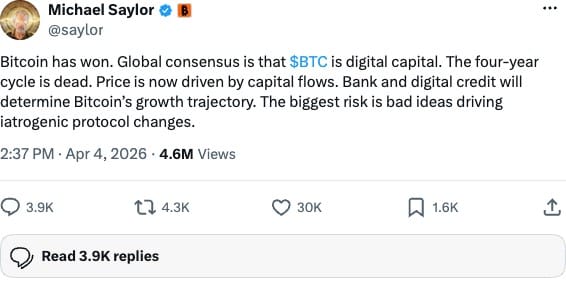
Institutional conviction has not disappeared during the pullback. Michael Saylor, executive chairman of Strategy and the largest corporate Bitcoin holder, argued in April 2026 that the four-year cycle is dead and that capital flows now drive the price (source).
Bitcoin remains the most recognized and influential Crypto Investments in the global market. Launched in 2009 by an anonymous developer known as Satoshi Nakamoto, Bitcoin revolutionized digital finance through its decentralized blockchain technology.
Key characteristics of Bitcoin include:
- Market capitalization exceeding $500 billion
- First cryptocurrency with widespread global recognition
- Limited supply of 21 million coins
- Proven track record of long-term value appreciation
- Highest trading volume among cryptocurrency assets
Investors value Bitcoin for its:
- Established market presence
- Strong institutional adoption
- Hedge against traditional financial market volatility
- Potential as a store of value similar to digital gold
Ethereum: More Than Just a Currency
Ethereum transcends traditional cryptocurrency functionality by offering a detailed blockchain platform for decentralized applications. Created by Vitalik Buterin in 2015, Ethereum introduced smart contract capabilities that transformed blockchain technology’s potential.
Core Ethereum advantages:
- Second-largest Crypto Investments by market capitalization
- Supports complex programmable transactions
- Powers decentralized finance (DeFi) ecosystems
- Enables creation of additional blockchain-based tokens
- Implemented significant technological upgrades like Ethereum 2.0
- Decentralized applications (dApps)
- Non-fungible tokens (NFTs)
- Complex financial instruments
- Blockchain-based enterprise solutions
Top 10 Crypto Investments (2026):
1. Bitcoin (BTC): Digital Store of Value
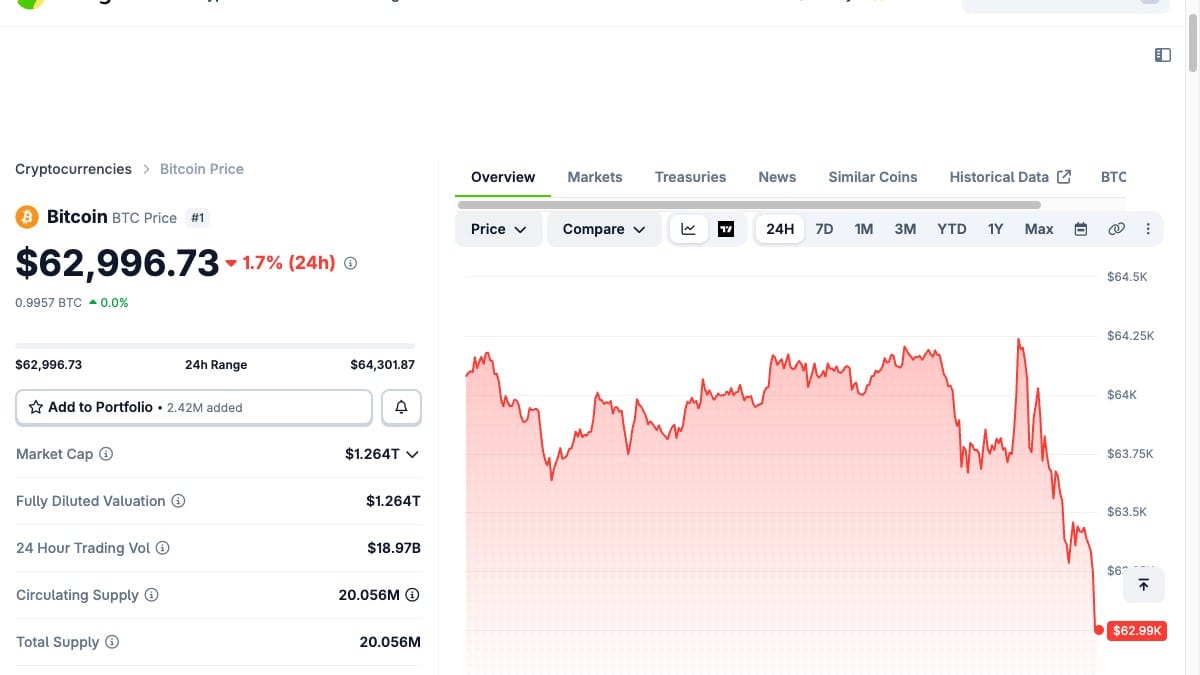
Bitcoin trades near \$63,000 with a \$1.26 trillion market cap and holds about 56 percent of the entire crypto market. Supply is capped at 21 million coins, and the April 2024 halving cut new issuance to 3.125 BTC per block. It remains the default first position: ETFs, corporate treasuries, and sovereign funds all buy the same asset you can. The trade-off is slower upside than smaller coins during strong markets.
2. Ethereum (ETH): The Smart Contract Standard
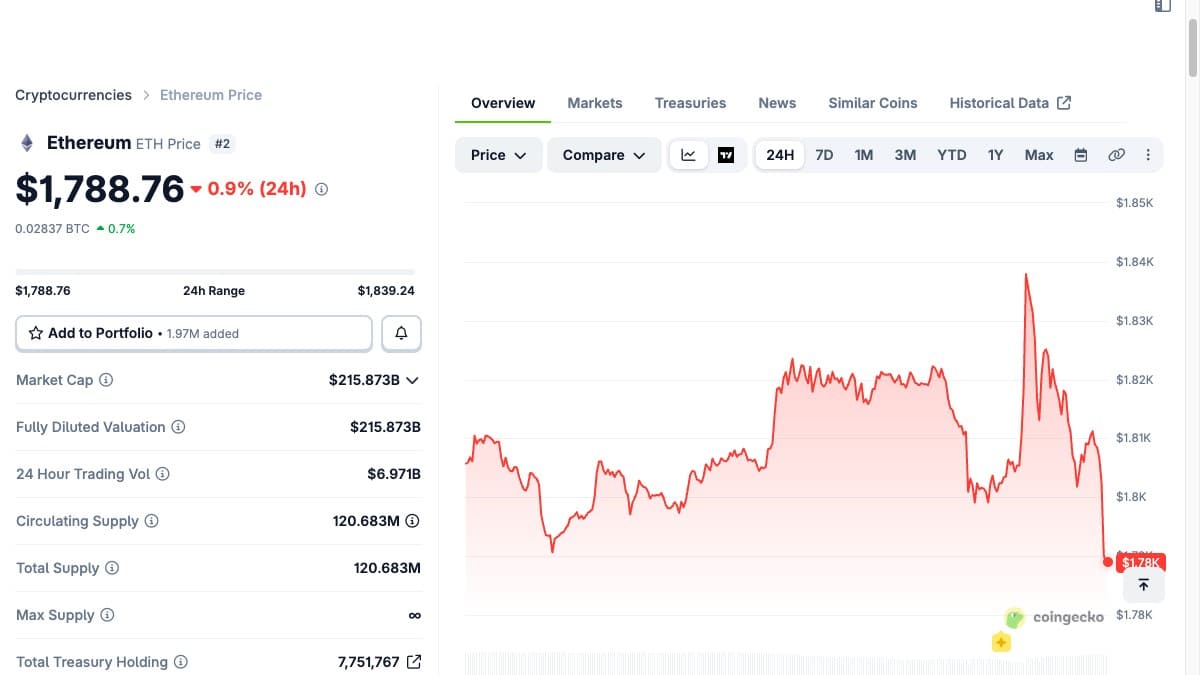
Ethereum sits around \$1,790 with a \$215 billion market cap. It settles the largest DeFi ecosystem, most stablecoin volume, and a growing family of layer 2 networks like Arbitrum and Polygon that inherit its security. Staking pays a yield on top of price exposure. ETH has lagged Bitcoin this cycle, which is exactly why some allocators call it the better value at current prices.
3. Solana (SOL): Speed and Low Fees
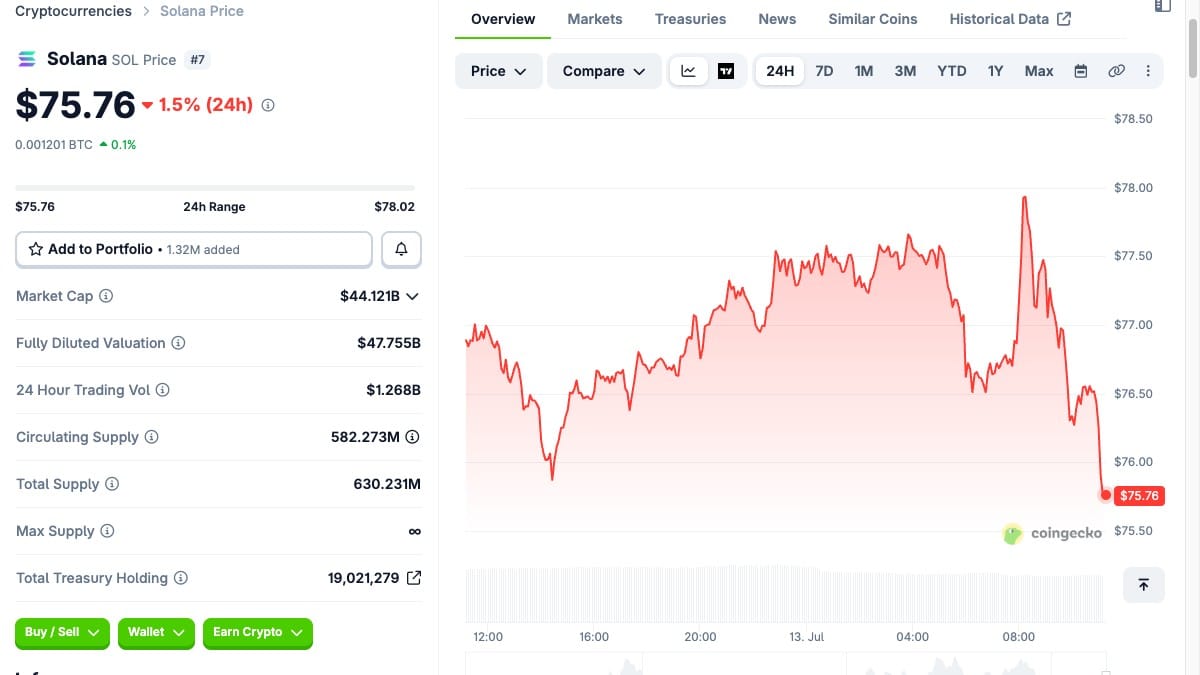
Solana trades near \$76 with a \$44 billion market cap, ranked #7. The network processes thousands of transactions per second for fractions of a cent, which made it the home of retail trading, payment experiments, and DePIN projects. The pending Firedancer upgrade aims to push throughput even higher. Past network outages remain the main criticism, though uptime has improved since 2024.
4. XRP (XRP): Cross-Border Payments
XRP changes hands around \$1.07 with a \$67 billion market cap. Ripple’s resolution of its long SEC fight cleared the biggest legal overhang, and the company now pushes bank settlement corridors plus its RLUSD stablecoin. XRP settles transfers in 3 to 5 seconds for fractions of a cent. The bet is that real payment volume, not speculation, becomes the price driver.
5. BNB (BNB): The Exchange Token
BNB trades near \$568 with a \$77 billion market cap, ranked #4. It powers trading fee discounts on Binance, gas on BNB Chain, and launchpad access, and Binance burns tokens quarterly to shrink supply. As long as Binance stays the largest exchange by volume, BNB has a built-in demand engine. Its fate is tied to one company, which is both the strength and the risk.
6. Avalanche (AVAX): Custom Blockchains
Avalanche trades near \$6.50 with a \$2.8 billion market cap, far below its 2021 peak above \$140. Its subnet design lets institutions launch their own chains with custom rules, and several asset tokenization pilots with major fund managers run on it. That makes AVAX a deep-drawdown recovery play: big upside if enterprise adoption lands, real risk if it does not.
7. Cardano (ADA): Research-First Blockchain
Cardano sits near \$0.16 with a \$5.9 billion market cap. Development follows peer-reviewed academic research, which produces careful engineering and a famously slow shipping pace. Staking participation is among the highest of any network. ADA suits patient holders who value decentralization and can wait out long development cycles.
8. Chainlink (LINK): The Data Layer
Chainlink trades near \$7.90 with a \$5.9 billion market cap. Its oracles feed real-world prices to most of DeFi, and its CCIP messaging standard is being tested by banks and SWIFT for moving value between chains. LINK is the rare token where institutional usage, not retail hype, carries the story. It works as a picks-and-shovels bet on the whole industry.
9. Polygon (POL): Ethereum Scaling
Polygon’s POL token trades around \$0.08 with a market cap under \$1 billion following the migration from MATIC. The network still hosts major brand deployments and processes millions of cheap transactions daily, and its AggLayer roadmap aims to unify liquidity across chains. POL is a speculative position: the tech is proven, the token’s value capture is the open question.
10. Arbitrum (ARB): Leading Layer 2
Arbitrum trades near \$0.09 with a \$600 million market cap. It ranks among the largest Ethereum layer 2 networks by locked value, hosting deep DeFi liquidity at a fraction of mainnet fees. Its DAO controls one of crypto’s biggest treasuries. Ongoing token unlocks have weighed on the price, which keeps ARB in the speculative tier despite solid fundamentals.
All prices and market caps above are live CoinGecko figures, checked July 13, 2026.
| # | Coin | Ticker | Category | Market cap | Risk tier |
|---|---|---|---|---|---|
| 1 | 
| BTC | Store of value | $1.26T | Core |
| 2 | 
| ETH | Smart contracts and DeFi | $215B | Core |
| 3 | 
| SOL | High-speed apps and payments | $44B | Growth |
| 4 | 
| XRP | Cross-border payments | $67B | Growth |
| 5 | 
| BNB | Exchange ecosystem | $77B | Growth |
| 6 | 
| AVAX | Smart contract platform | $2.8B | Speculative |
| 7 | 
| ADA | Research-driven layer 1 | $5.9B | Speculative |
| 8 | 
| LINK | Oracle network | $5.9B | Growth |
| 9 | 
| POL | Ethereum scaling | $0.9B | Speculative |
| 10 | 
| ARB | Ethereum layer 2 | $0.6B | Speculative |
Promising Altcoins With Strong Potential
Beyond Bitcoin and Ethereum, several altcoins demonstrate significant investment potential with unique technological advantages and market positioning. These cryptocurrencies offer diverse opportunities for investors seeking alternative digital assets with strong growth prospects.
Binance Coin: Exchange-Backed Currency
Binance Coin (BNB) represents a strategic cryptocurrency connected directly to the Binance exchange ecosystem. As the native token of the world’s largest cryptocurrency exchange, BNB provides multiple utility functions:
- Trading fee discounts on Binance platform
- Participation in token sales
- Powering decentralized applications within Binance Smart Chain
- Facilitating rapid transaction processing
Investors appreciate BNB’s strong market performance and consistent value proposition driven by Binance’s extensive blockchain infrastructure.
Cardano: Sustainable Blockchain Technology
Cardano distinguishes itself through a research-driven approach to blockchain development. Key characteristics include:
- Proof-of-stake consensus mechanism reducing energy consumption
- Advanced academic research foundation
- Strong smart contract capabilities
- Enhanced scalability compared to traditional blockchain networks
The cryptocurrency emphasizes environmental sustainability and technological innovation, attracting investors interested in long-term blockchain evolution.
Solana: High-Performance Blockchain Platform
Solana emerges as a high-speed blockchain platform designed for scalability and efficiency. Its standout features encompass:
- Extremely fast transaction processing (65,000 transactions per second)
- Low transaction costs
- Advanced consensus mechanism
- Strong developer ecosystem
- Significant potential in decentralized finance (DeFi) applications
Solana’s technical architecture positions it as a competitive alternative to established blockchain networks, offering investors a compelling option for diversification.
Emerging Cryptocurrencies to Watch
The cryptocurrency market continues to evolve with innovative blockchain projects that challenge traditional financial systems. This section explores emerging cryptocurrencies demonstrating significant potential for investors seeking cutting-edge digital assets.
Polkadot: Interoperability Innovation
Polkadot represents a groundbreaking blockchain platform designed to solve critical interoperability challenges in the cryptocurrency ecosystem. Created by Ethereum co-founder Gavin Wood, Polkadot enables different blockchain networks to communicate and transfer data smoothly.
Key features of Polkadot include:
- Cross-chain communication capabilities
- Parallel processing through multiple blockchain networks
- Advanced governance model allowing token holders to participate in network decisions
- Scalable infrastructure supporting multiple specialized blockchains
- Enhanced security through shared network protection mechanisms
Polkadot’s unique architecture allows developers to create custom blockchains that can interact with other networks, potentially revolutionizing blockchain technology’s practical applications. Its native token DOT has demonstrated substantial market growth and technological innovation.
Avalanche: Scalable Blockchain Networks
Avalanche emerges as a high-performance blockchain platform addressing critical scalability and transaction speed limitations. The network distinguishes itself through unprecedented transaction processing capabilities and advanced consensus mechanisms.
Distinctive Avalanche characteristics:
- Sub-second transaction finality
- Support for complex decentralized applications
- Low transaction costs compared to competing networks
- High throughput exceeding 4500 transactions per second
- Strong smart contract compatibility
- Flexible blockchain infrastructure supporting multiple digital assets
Avalanche’s technological framework positions it as a competitive alternative for investors seeking advanced blockchain platforms with significant growth potential. Its ability to process transactions rapidly while maintaining low fees makes it an attractive option in the evolving cryptocurrency landscape.
Investment Strategies
Cryptocurrency investment demands a strategic approach that balances potential returns with calculated risk. Your success hinges on implementing strong techniques that protect your portfolio while maximizing growth opportunities.
Diversification Techniques
Effective diversification across Crypto Investments reduces overall portfolio risk. Allocate your investments across multiple digital assets with varying market capitalizations and technological foundations:
Core Holdings (60-70%):
- Bitcoin
- Ethereum
- Established large-cap cryptocurrencies
Mid-Cap Investments (20-25%):
- Binance Coin
- Cardano
- Polkadot
- Solana
Emerging Altcoins (5-10%):
- Promising blockchain platforms
- Innovative technological solutions
- Recent market entrants with strong potential
Distribute investments proportionally based on market capitalization and project credibility. This strategy mitigates risk by preventing overexposure to single Crypto Investments.
Risk Management Approaches
Implement structured risk management strategies to protect your cryptocurrency investments:
Position Sizing
- Limit individual cryptocurrency investments to 5-10% of total portfolio
- Prevent significant losses from single asset volatility
Stop-Loss Configurations
- Set predefined sell triggers at 10-15% below purchase price
- Automatically exit positions during substantial market downturns
Regular Portfolio Rebalancing
- Reassess asset allocation quarterly
- Adjust holdings based on market performance
- Maintain predetermined diversification percentages
Risk Assessment Metrics
- Analyze volatility indexes
- Monitor trading volumes
- Evaluate project fundamentals
- Track technological development progress
Your risk management approach should remain flexible while maintaining disciplined investment principles.
Trading and Storing Cryptocurrencies
Effective cryptocurrency investment requires strategic trading platforms and secure storage solutions. Your approach to selecting exchanges and wallets can significantly impact your digital asset management and overall investment success.
Best Cryptocurrency Exchanges
Top cryptocurrency exchanges provide strong trading infrastructure with competitive features. When selecting an exchange, consider these critical factors:
| Exchange | Trading Fees | Security | Cryptocurrency Variety |
|---|---|---|---|
| Binance | 0.1% | High | 350+ coins |
| Coinbase | 0.5% | High | 200+ coins |
| Kraken | 0.26% | Very High | 185+ coins |
| Gemini | 0.35% | Highest | 100+ coins |
Key selection criteria include:
- Low transaction fees
- Advanced security protocols
- Extensive cryptocurrency support
- User-friendly interface
- Regulatory compliance
Secure Wallet Options
Hardware Wallets
- Ledger Nano X: Supports 1,800+ cryptocurrencies
- Trezor Model T: Cold storage with touchscreen
- KeepKey: Strong security with large display
Software Wallets
- MetaMask: Browser-based Ethereum wallet
- Trust Wallet: Mobile multi-cryptocurrency storage
- Exodus: Desktop wallet supporting 100+ cryptocurrencies
- Enable two-factor authentication
- Use hardware wallets for large holdings
- Regularly update wallet software
- Store backup recovery phrases offline
- Diversify storage across multiple platforms
Regulatory Considerations
Cryptocurrency investments require careful navigation through complex global regulatory landscapes. Understanding the regulatory environment is crucial for protecting your digital asset investments and making sure compliance with international financial regulations.
Global Crypto Investments Regulations
Cryptocurrency regulations vary significantly across different countries and jurisdictions. The United States, European Union, and Asian markets have distinct approaches to digital asset oversight. Key regulatory aspects include:
- Registration requirements for cryptocurrency exchanges
- Anti-money laundering (AML) compliance mandates
- Know Your Customer (KYC) verification processes
- Securities classification for digital assets
- Licensing requirements for crypto businesses
Regulatory frameworks continue to evolve rapidly. The European Union’s Markets in Crypto-Assets (MiCA) regulation and the United States’ ongoing SEC discussions demonstrate the dynamic nature of cryptocurrency governance. Investors must stay informed about regulatory changes that could impact crypto investments’ valuations and trading capabilities.
Tax Implications of Crypto Investments
Cryptocurrency taxation presents complex financial considerations for investors. Important tax-related factors include:
- Capital gains tax calculations for crypto transactions
- Reporting requirements for cryptocurrency trades
- Tax treatment of mining and staking income
- Differences in short-term and long-term investment taxation
- Cross-border cryptocurrency tax implications
The Internal Revenue Service (IRS) classifies cryptocurrencies as property, meaning each transaction potentially triggers a taxable event. Maintaining detailed records of all Crypto Investments trades, purchases, and exchanges becomes critical for accurate tax reporting. Professional tax consultation can help navigate the intricate landscape of cryptocurrency tax obligations.
Investors should proactively research jurisdiction-specific regulations and consult financial experts to make sure full compliance and minimize potential legal risks associated with cryptocurrency investments.
Conclusion
Working through the cryptocurrency landscape requires a strategic and informed approach. Your success depends on thorough research diversified investments and a keen understanding of market dynamics.
Remember that the Crypto Investments market is inherently volatile. While potential rewards can be significant you’ll need to manage risks carefully by staying updated on technological developments regulatory changes and market trends.
Prioritize continuous learning and adaptability. The digital asset ecosystem evolves rapidly and your investment strategy should remain flexible. By maintaining a disciplined approach and making informed decisions you’ll be better positioned to capitalize on the exciting opportunities within the cryptocurrency market.
Frequently Asked Questions
What is cryptocurrency?
Cryptocurrency is a digital or virtual currency that uses blockchain technology for secure, decentralized transactions. Unlike traditional currencies, it operates independently of central banks, allowing peer-to-peer financial exchanges with enhanced security and transparency. Bitcoin, the first cryptocurrency, was created in 2009 and remains the most well-known digital asset.
How do I start investing in cryptocurrency?
Begin by researching different Crypto Investments and understanding their underlying technologies. Create an account on a reputable cryptocurrency exchange like Coinbase or Binance, verify your identity, link a payment method, and start with small investments. Always use secure wallets, enable two-factor authentication, and only invest what you can afford to lose.
Are cryptocurrencies safe to invest in?
Cryptocurrencies carry significant risks due to high market volatility. While potential returns can be substantial, investors must carefully assess market conditions, technological fundamentals, and regulatory environments. Diversifying investments, using stop-loss strategies, and staying informed about market trends can help mitigate potential losses.
What are the best cryptocurrencies to invest in?
Top cryptocurrencies include Bitcoin (most established), Ethereum (smart contract platform), Binance Coin (exchange utility token), Cardano (sustainable blockchain), and Solana (high-performance network). Each offers unique technological advantages and growth potential. Research their market capitalization, adoption rates, and technological innovations before investing.the most established), Ethereum (a smart contract platform), Binance Coin (an exchange utility token), Cardano (a sustainable blockchain), and Solana (a
How much should I invest in cryptocurrency?
Financial experts recommend allocating 5-10% of your investment portfolio to cryptocurrencies. A balanced approach involves 60-70% in core holdings, 20-25% in mid-cap investments, and 5-10% in emerging altcoins. Always consider your risk tolerance and overall financial goals when determining investment amounts.
What are the tax implications of cryptocurrency investments?
In the United States, the most established), Ethereum (a smart contract platform), Binance Coin (an exchange utility token), Cardano (a sustainable blockchain), and Solana (a are treated as property for tax purposes. You must report capital gains or losses when selling or trading digital assets. Each transaction may trigger a taxable event, requiring detailed record-keeping. Consult a tax professional to make sure accurate reporting and compliance with IRS regulations.
How do I store my cryptocurrencies securely?
Use hardware wallets like Ledger Nano X or Trezor for large holdings, offering offline storage and enhanced security. Software wallets such as MetaMask are suitable for smaller amounts and frequent transactions. Always enable two-factor authentication, use strong passwords, and keep your recovery phrases private and secure.
What risks are associated with cryptocurrency investments?
Key risks include extreme price volatility, regulatory uncertainty, potential security breaches, technological vulnerabilities, and limited legal protections. Market sentiment, technological developments, and global economic conditions can dramatically impact cryptocurrency values. Thorough research and a disciplined investment approach are crucial for managing these risks.
Can I use cryptocurrencies for everyday transactions?
While cryptocurrency adoption is growing, it’s not yet widely accepted for daily transactions. Some businesses and online platforms accept Bitcoin and other digital currencies. However, most investors currently view cryptocurrencies as investment assets rather than practical payment methods.
What is blockchain technology?
Blockchain is a decentralized, digital ledger that records transactions across multiple computers, making sure transparency and security. Each transaction is verified by network participants, making it difficult to alter or manipulate. This technology underpins cryptocurrencies, enabling secure, transparent, and intermediary-free financial exchanges.