Cryptocurrency has become an increasingly popular payment option for online casinos and sports betting platforms. Bitcoin, Ethereum, and stablecoins such as USDT allow users to transfer digital assets without relying exclusively on traditional banking methods. However, choosing the right cryptocurrency wallet is essential for managing deposits, withdrawals, and betting funds securely.
The best wallets for gambling and sports betting depend on the cryptocurrencies you use, the betting platforms you access, and the level of security you need. Trust Wallet and Exodus are versatile options for managing multiple cryptocurrencies, MetaMask is useful for interacting with supported Web3 applications, and Electrum is a dedicated option for Bitcoin users. For long-term storage, hardware wallets such as Ledger and Trezor provide an additional layer of protection.
Before choosing a wallet, check its supported cryptocurrencies, blockchain networks, transaction fees, and compatibility with your preferred betting platform. A wallet that supports a particular cryptocurrency does not necessarily support every network or betting application.
This guide compares popular crypto wallets for gambling and sports betting, explains their features, and covers the security practices and risks users should understand before transferring funds.
What Are Crypto Wallets for Gambling and Sports Betting?
Crypto wallets for gambling and sports betting are digital tools that allow users to store, receive, send, and manage cryptocurrencies used on online casinos and sportsbooks.
These wallets interact with blockchain networks to facilitate cryptocurrency transactions. Depending on the wallet and betting platform, users can transfer Bitcoin (BTC), Ethereum (ETH), Tether (USDT), USD Coin (USDC), and other supported digital assets.
There are two main wallet categories:
- Hot wallets: Software wallets connected to the internet, including mobile applications, desktop programs, and browser extensions.
- Cold wallets: Wallets designed to keep private keys offline, typically through dedicated hardware devices.
Popular choices include Trust Wallet, MetaMask, Exodus, OKX Wallet, Electrum, Ledger, and Trezor.
One important distinction is that a cryptocurrency wallet does not automatically provide access to gambling services. It simply manages the digital assets users may transfer to compatible platforms.
Why Use a Crypto Wallet for Gambling and Sports Betting?
Crypto wallets provide an alternative way to manage funds when using online casinos and sportsbooks that accept cryptocurrency.
Here are the main reasons users consider them:
1. Convenient cryptocurrency transfers
Wallets allow users to send and receive supported cryptocurrencies without manually handling traditional bank transfers. Transaction processing depends on the selected blockchain and the receiving platform.
2. Greater control over digital assets
Self-custody wallets allow users to control their private keys rather than relying on an exchange to hold their cryptocurrency. This also means users are responsible for protecting their recovery phrases and approving transactions carefully. Coinbase Help+1
3. Access to multiple cryptocurrencies
Some wallets support Bitcoin, Ethereum, stablecoins, and tokens across several blockchain networks. This can be useful when different betting platforms accept different cryptocurrencies.
4. Web3 and decentralized application compatibility
Certain wallets connect directly to decentralized applications (dApps), including blockchain-based games and prediction market applications. MetaMask and OKX Wallet are examples of wallets designed for Web3 interactions.
5. Flexible asset management
Users can manage their cryptocurrency balances, review transactions, and transfer funds between supported wallets and services.
However, cryptocurrency does not guarantee lower fees, faster withdrawals, or complete privacy. These depend on network conditions, service providers, and local regulations.
What Are the Best Crypto Wallets for Gambling and Sports Betting?
The best crypto wallet depends on how you intend to use it. Some wallets are designed for everyday mobile transactions, while others focus on Web3 connectivity, Bitcoin management, or long-term asset protection.
Here are seven popular options worth considering.
1. Trust Wallet – Best for Mobile Crypto Management
Best for: Mobile users and multi-asset management
Wallet type: Hot wallet
Main advantage: Broad cryptocurrency and blockchain support
Official website: Trust Wallet
Trust Wallet is a self-custody cryptocurrency wallet available on mobile devices and as a browser extension. It supports more than 100 blockchains, including Bitcoin, Ethereum, BNB Smart Chain, Solana, and Polygon. Trust Wallet
Its multi-chain functionality makes it a practical option for users who manage different cryptocurrencies and interact with compatible Web3 applications.
Key features:
- Supports a broad range of cryptocurrencies and tokens.
- Provides mobile and browser-based access.
- Allows users to send, receive, and manage digital assets.
- Offers Web3 and decentralized application connectivity.
- Keeps private keys under the user’s control.
Why consider it for betting?
Trust Wallet can be useful when a supported casino or sportsbook accepts cryptocurrency transfers or provides compatible Web3 wallet connections. Users should confirm the exact token and network before depositing.
Potential limitation: Because it is a hot wallet, its security depends partly on the device, application, recovery phrase, and transaction approvals.
2. MetaMask – Best for Web3 Betting Applications
File:MetaMask Fox.svg – Wikimedia Commons
Best for: Web3 casinos and decentralized applications
Wallet type: Hot wallet
Main advantage: Smart contract and dApp connectivity
Official website: MetaMask
MetaMask is a widely used cryptocurrency wallet for interacting with blockchain applications. It supports Ethereum and multiple compatible networks, making it useful for accessing decentralized applications that require wallet connections.
Its functionality has also expanded beyond Ethereum. MetaMask introduced Bitcoin support in December 2025, allowing users to manage BTC alongside supported multichain assets. MetaMask+1
Key features:
- Supports Ethereum and multiple compatible networks.
- Connects to supported decentralized applications.
- Allows users to manage tokens and approve smart contract transactions.
- Offers browser extension and mobile access.
- Includes Bitcoin support in its newer multichain functionality.
Why consider it for betting?
MetaMask can connect to supported blockchain casinos and decentralized betting applications. Platforms such as BetSwirl and SportX are examples of Web3 betting-related services mentioned in this context, although their current availability and compatibility should be checked independently.
Potential limitation: Users must understand network fees and smart contract permissions. Connecting a wallet to an unfamiliar application can expose assets to malicious approvals or phishing attacks.
3. Exodus Wallet – Best for Multi-Currency Management
Exodus Logo icon in Windows 11 Color Style
Best for: Managing multiple cryptocurrencies
Wallet type: Hot wallet
Main advantage: Desktop and mobile accessibility
Official website: Exodus
Exodus is a self-custody wallet available on desktop, mobile, and the web. Its interface is designed to make cryptocurrency management accessible to beginners and experienced users.
According to its updated documentation, Exodus supports more than 50 cryptocurrency networks, with token support across several Web3 ecosystems.
Key features:
- Multi-chain cryptocurrency support.
- Desktop and mobile applications.
- Cryptocurrency sending and receiving.
- Built-in exchange and asset management features.
- Compatibility with supported hardware wallet integrations.
Why consider it for betting?
Exodus may suit users who want to manage different cryptocurrencies in one interface. Its multi-platform availability is useful for those who prefer desktop wallet management.
Potential limitation: Not every token or network is supported. Users should verify compatibility with their intended betting platform before transferring funds.
4. Coinbase Wallet – Best for Beginners
10 Best Bitcoin Wallets in 2026 | Ledger
Best for: Users new to self-custody wallets
Wallet type: Self-custody software wallet
Main advantage: Accessible wallet management
Official information: Coinbase Wallet Guide
Coinbase Wallet is a self-custody wallet that gives users control over their private keys. It is separate from the custodial Coinbase exchange account, meaning users can manage their wallet independently. Coinbase Help+1
Coinbase has also been transitioning its wallet experience toward the Base app in some markets, so users should check the current product name, availability, and supported features in their region.
Key features:
- Self-custody asset management.
- Support for compatible blockchain networks and tokens.
- Access to supported Web3 applications.
- Wallet recovery through a secret recovery phrase.
- Mobile-based asset management.
Why consider it for betting?
It may be suitable for users who want a relatively straightforward way to manage cryptocurrency before transferring it to a compatible betting platform.
Potential limitation: Supported assets and services can vary by region. Coinbase Wallet should not be confused with the custodial Coinbase exchange.
5. OKX Wallet – Best for Multi-Chain Web3 Access
Best for: Users interacting with multiple blockchain ecosystems
Wallet type: Hot wallet
Main advantage: Broad network and dApp compatibility
Official website: OKX Wallet
OKX Wallet is a non-custodial, multi-chain wallet designed for managing digital assets and interacting with Web3 applications.
Its supported ecosystems include Bitcoin, Ethereum, Solana, BNB Chain, Polygon, and other networks. Exact support depends on the wallet version and application. OKX+1
Key features:
- Multi-chain asset management.
- Web3 application connectivity.
- Cryptocurrency transfers and swaps.
- Mobile and browser extension access.
- Support for multiple blockchain ecosystems.
Why consider it for betting?
OKX Wallet can be useful when a decentralized betting application supports its network and connection options. It is particularly relevant to users who interact with several blockchain ecosystems.
Potential limitation: Its extensive features may be overwhelming for beginners. Always verify the destination network before transferring cryptocurrency.
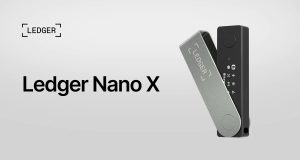
6. Ledger – Best for Long-Term Storage
Portfel kryptowalut i NFT Ledger Nano X, srebrno-czarny Pancernik.eu 3760027781500
Best for: Protecting larger cryptocurrency balances
Wallet type: Hardware wallet
Main advantage: Offline private key storage
Official website: Ledger
Ledger is a hardware wallet brand designed to keep cryptocurrency private keys isolated from internet-connected devices.
Transactions can still be made through compatible software and decentralized applications, but the user must approve the transaction using the hardware device. Ledger+1
Key features:
- Offline private key storage.
- Physical transaction approval.
- Compatibility with supported cryptocurrencies.
- Integration with selected third-party wallet applications.
- Protection against certain online attack scenarios.
Why consider it for betting?
Ledger is more appropriate for keeping larger balances or accumulated winnings than for making frequent small deposits. Users can maintain a separate hot wallet for regular transactions while storing longer-term holdings in hardware storage.
Potential limitation: Hardware wallets require additional setup and physical transaction approval. They are not necessarily the most convenient choice for frequent betting activity.
7. ZenGo – Best for Alternative Wallet Recovery
Best for: Users who prefer alternatives to traditional seed phrase management
Wallet type: Self-custody software wallet
Main advantage: Keyless security architecture
Official website: ZenGo
ZenGo uses keyless cryptographic technology rather than relying on the conventional single private-key and seed-phrase approach used by many wallets.
Its recovery and authentication model may appeal to users who want a different way to manage wallet access.
Key features:
- Keyless wallet technology.
- Biometric authentication options.
- Mobile-based cryptocurrency management.
- Support for selected digital assets.
- Wallet recovery features.
Why consider it for betting?
ZenGo may be an option for users who prioritize ease of wallet access and want an alternative to traditional seed phrase management.
Potential limitation: Supported assets, blockchain networks, and decentralized application connections should be checked before choosing it for betting transactions.
What Are the Best Bitcoin Wallets for Sports Betting?
Bitcoin users should choose a wallet that supports native BTC transactions and offers the features they need for sending, receiving, and securing their funds.
Unlike Ethereum-based wallets, Bitcoin wallets are designed specifically for managing Bitcoin addresses and transactions, although some multi-chain wallets also support BTC.
Here are five options worth comparing.
1. Electrum – Best for Advanced Bitcoin Management
9 Best Bitcoin Wallets in the UK 2023
Electrum is a lightweight Bitcoin wallet designed for users who want more control over Bitcoin transactions.
Key features:
- Bitcoin-focused wallet functionality.
- Customizable transaction fees.
- Desktop wallet access.
- Support for hardware wallet integrations.
- Advanced transaction management.
Why consider it for sports betting?
Electrum allows users to manage Bitcoin transactions and adjust fees based on network conditions. This can be useful when sending BTC to a sportsbook that accepts Bitcoin.
Official website: Electrum
2. Bitcoin.com Wallet – Best for Beginners
Bitcoin.com Rewards – Earn Crypto Rewards on Your Journey
Bitcoin.com Wallet provides a straightforward interface for managing supported cryptocurrencies, including Bitcoin and Bitcoin Cash.
Key features:
- Beginner-friendly interface.
- Cryptocurrency sending and receiving.
- Mobile wallet accessibility.
- Support for selected digital assets.
Why consider it for sports betting?
It may be suitable for users who prefer a simpler wallet for receiving and sending Bitcoin.
Remember that Bitcoin and Bitcoin Cash are different cryptocurrencies. Always confirm which asset the betting platform accepts.
Official website: Bitcoin.com
3. Wasabi Wallet – Best for Bitcoin Privacy Features
Best Crypto Wallets In The UK For 2026
Wasabi Wallet is a Bitcoin-focused wallet known for its CoinJoin privacy functionality.
CoinJoin combines transactions from multiple participants to make the relationship between inputs and outputs more difficult to analyze. However, this does not guarantee anonymity or prevent all forms of blockchain tracing. Wasabi Docs
Key features:
- Bitcoin-focused wallet.
- CoinJoin privacy functionality.
- Desktop-based wallet management.
- Transaction privacy tools.
Why consider it for sports betting?
Wasabi may appeal to technically experienced Bitcoin users who want additional transaction privacy features.
Potential limitation: Privacy features do not make gambling transactions untraceable or remove legal and identity-verification obligations. Users should also consider whether the relevant wallet services are available and lawful in their jurisdiction.
Official documentation: Wasabi Wallet
4. Trezor – Best for Long-Term Bitcoin Storage
Trezor is a hardware wallet brand that allows users to keep their private keys offline.
Key features:
- Hardware-based private key protection.
- Physical transaction confirmation.
- Support for Bitcoin and other compatible cryptocurrencies.
- Integration with supported wallet applications.
Why consider it for sports betting?
Trezor can be useful for storing Bitcoin winnings and other digital assets that do not need to be accessed frequently.
It is better suited to long-term storage than repeated betting deposits.
Official website: Trezor
5. Uphold – Best for Multi-Asset Management
File:Uphold-logo-horizontal-color-small.jpg – Wikimedia Commons
Uphold is a multi-asset platform that supports cryptocurrency and other financial assets, depending on regional availability.
Key features:
- Multi-asset account management.
- Cryptocurrency buying and selling.
- Transfers to supported external wallets.
- Support for selected digital assets.
Why consider it for sports betting?
Uphold may be useful for people who manage both cryptocurrency and other supported assets. However, it is important to distinguish between a custodial account and a self-custody wallet.
Potential limitation: Account verification, withdrawal restrictions, supported assets, and regional rules may apply. It should not be assumed that every sportsbook accepts direct transfers from Uphold.
Official website: Uphold
Crypto Wallet Comparison: Features and Use Cases
The following table summarizes the main differences between the wallets discussed above.
| Wallet | Best Use Case | Wallet Type | Main Strength |
|---|---|---|---|
| Trust Wallet | Mobile and multi-asset use | Hot | Broad network support |
| MetaMask | Web3 betting applications | Hot | dApp connectivity |
| Exodus | Multi-currency management | Hot | Desktop and mobile access |
| Coinbase Wallet | Beginner-friendly self-custody | Hot | Accessible interface |
| OKX Wallet | Multi-chain Web3 use | Hot | Broad ecosystem support |
| Ledger | Long-term storage | Cold | Offline key protection |
| ZenGo | Alternative recovery model | Hot | Keyless technology |
| Electrum | Bitcoin transactions | Hot | Advanced BTC controls |
| Bitcoin.com Wallet | Beginner Bitcoin use | Hot | Simple interface |
| Wasabi Wallet | Bitcoin privacy features | Hot | CoinJoin functionality |
| Trezor | Long-term storage | Cold | Hardware security |
| Uphold | Multi-asset management | Custodial platform | Combined asset access |
Note: This is a feature-based comparison, not a security ranking or a guarantee of compatibility with any gambling platform. Supported assets and functions can change with software updates and regional restrictions.
What Should You Look for in a Crypto Betting Wallet?
Choosing a wallet involves more than checking how many cryptocurrencies it supports. The following factors can help users identify an option that meets their requirements.
1. Supported Cryptocurrencies and Networks
Check whether the wallet supports the cryptocurrency accepted by your betting platform.
For example, a sportsbook may accept USDT through the Tron network but not through Ethereum. Even though both transactions involve USDT, they use different blockchain networks.
Always confirm both the cryptocurrency and network before sending funds.
2. Security and Private Key Control
A wallet should provide appropriate security features and a clear recovery process.
Consider:
- Private key ownership.
- Recovery phrase protection.
- Biometric authentication or PIN access.
- Hardware wallet compatibility.
- Security updates and transaction verification.
Self-custody gives users more control but also more responsibility. Losing a recovery phrase or approving a malicious transaction can result in permanent loss of funds.
3. Transaction Fees
Cryptocurrency transactions may involve network fees, wallet service fees, exchange fees, or platform withdrawal fees.
For example, Ethereum transactions generally require gas fees, while Bitcoin transactions use network fees based on transaction demand and other factors.
Do not assume that every cryptocurrency transfer is inexpensive. Compare the total cost before making a transaction.
4. Betting Platform Compatibility
The wallet must support the payment method and connection method offered by the casino or sportsbook.
Some platforms accept manual deposits through wallet addresses, while decentralized applications may allow direct Web3 connections.
Check the platform’s official payment instructions rather than relying on wallet popularity alone.
5. Privacy and Identity Verification
Some self-custody wallets allow users to create and manage wallets without registering an account with the wallet provider.
However, this does not guarantee anonymous gambling. Betting platforms, exchanges, payment providers, and regulators may require identity verification depending on local laws.
6. Mobile and Desktop Accessibility
Choose a wallet that matches how you manage your digital assets.
Mobile wallets offer convenience, while desktop wallets may provide more advanced transaction controls. Hardware wallets are more appropriate for protecting larger balances that do not need frequent access.
Hot Wallets vs. Cold Wallets: Which Is Better?
Hot wallets are generally more convenient for frequent cryptocurrency transactions, while cold wallets are designed to protect assets through offline private key storage.
The right choice depends on how often you need access to your cryptocurrency and how much risk you are willing to manage.
Web 3 Design || Oclon Wallet Crypto App by Ajibola Katola on Dribbble
Hot Wallets
- Connected to the internet.
- Convenient for regular transactions.
- Usually available on mobile or desktop.
- More exposed to phishing and device-related threats.
Examples: Trust Wallet, MetaMask, Exodus and Electrum.
Ledger vs Trezor 2026 – So sánh ví phần cứng tiền điện tử tốt nhất
Cold Wallets
- Designed to keep private keys offline.
- Suitable for longer-term storage.
- Require additional steps to approve transactions.
- Less convenient for frequent transfers.
Examples: Ledger and Trezor hardware wallets.
For users who need both convenience and protection, a combination can be practical:
- Keep only a limited transaction balance in a dedicated hot wallet.
- Use a compatible betting platform only when legally permitted.
- Transfer remaining funds to a hardware wallet when they are no longer needed for transactions.
This arrangement can reduce the amount exposed to online threats, although it cannot eliminate all risks.
How to Use a Crypto Wallet for Online Gambling
Using a cryptocurrency wallet for online gambling generally involves creating a wallet, funding it, checking platform compatibility, and transferring the required cryptocurrency.
Here is a step-by-step explanation.
Step 1: Choose a Compatible Wallet
Select a wallet based on the cryptocurrency you intend to use and the payment methods accepted by the platform.
Examples include:
- Trust Wallet for supported multi-chain assets.
- MetaMask for compatible Web3 applications.
- Electrum for Bitcoin transactions.
- Ledger or Trezor for long-term storage.
Before creating a wallet, download the application from its official website or verified app store.
Step 2: Set Up and Secure Your Wallet
Follow the wallet’s official setup instructions.
If it provides a recovery phrase, write it down and keep it in a secure offline location.
Never share your recovery phrase or private keys with another person. Legitimate wallet support teams should not ask you to disclose them.
Step 3: Fund Your Wallet
You can receive cryptocurrency from a supported exchange or another wallet.
Common funding options include:
- Bitcoin (BTC).
- Ethereum (ETH).
- Tether (USDT).
- USD Coin (USDC).
- Other supported cryptocurrencies.
Check the asset and network before transferring funds. A mismatch can cause the transaction to fail or result in unrecoverable assets.
Step 4: Verify the Betting Platform
Before connecting a wallet or making a deposit, check whether the gambling platform is legally permitted to operate in your location.
Review its licensing information, payment terms, withdrawal conditions, and reputation.
Examples of crypto gambling and betting platforms that have appeared in the market include:
- BC.Game
- Stake.com
- Rollbit
- Cloudbet
Their availability, licensing, payment methods, and access restrictions can vary by country and change over time. These names are examples, not endorsements or guarantees of legitimacy.
Step 5: Connect Your Wallet or Make a Deposit
Depending on the platform, you may need to:
- Connect your wallet to a supported decentralized application.
- Copy the platform’s deposit address and send cryptocurrency manually.
- Select a supported cryptocurrency and blockchain network.
Review the transaction details before confirming.
Step 6: Check the Transaction Status
After sending cryptocurrency, monitor the transaction using your wallet or an appropriate blockchain explorer.
A transaction may require network confirmations before the receiving platform credits the deposit.
Remember that blockchain confirmation and a betting platform’s internal processing are separate processes.
How to Keep Your Crypto Wallet Secure
Using a secure wallet is only one part of protecting cryptocurrency. Users must also follow good security practices when interacting with betting websites and decentralized applications.
Use a Dedicated Wallet for Gambling
Consider keeping betting-related transactions separate from your primary cryptocurrency holdings.
A separate wallet can make it easier to track transactions, manage exposure, and limit the funds connected to gambling applications.
Avoid Keeping Unnecessary Funds on Betting Platforms
Do not leave more cryptocurrency in a gambling account than necessary.
Where permitted and supported, withdraw unused balances to a wallet you control. Remember that withdrawal fees, processing times, and platform restrictions may apply.
Protect Your Recovery Phrase
Your recovery phrase provides access to your wallet.
Follow these precautions:
- Never share it with anyone.
- Do not send it through email or messaging applications.
- Avoid storing unencrypted copies online.
- Keep physical backups in secure locations.
- Be cautious of fake customer support representatives.
Check Smart Contract Permissions
When connecting a wallet to a decentralized betting application, carefully review the permissions requested.
An approval may allow a smart contract to access or transfer certain tokens.
Use a trusted approval-management tool, such as Revoke.cash, to review and revoke unnecessary token allowances where supported.
Download Wallet Applications from Official Sources
Fake wallet applications and phishing websites can steal recovery phrases or trick users into approving malicious transactions.
Always verify the official website and application publisher before installing software.
Enable Additional Security Features
Use a strong device password, biometric authentication, and available security protections.
For accounts that support two-factor authentication, enable it where appropriate. Remember that two-factor authentication for an exchange account does not replace private key protection for a self-custody wallet.
For more information about protecting funds when using digital currencies, see our related guide: Crypto Betting Safety 101.
What Are the Risks of Using Crypto for Gambling?
Cryptocurrency can provide flexible payment options, but it also introduces financial, technical, and regulatory risks.
Understanding these risks is important before using digital assets for betting.
1. Cryptocurrency Price Volatility
Cryptocurrency prices can change significantly within short periods.
For example, Bitcoin may lose value between the time a user deposits funds and the time they withdraw them. This can affect the value of the remaining balance even when the number of BTC stays the same.
Stablecoins such as USDT and USDC are designed to maintain a value linked to the US dollar, but they still carry issuer, reserve, liquidity, and depegging risks.
2. Irreversible Transactions
Most confirmed blockchain transactions cannot simply be reversed like traditional card payments.
If cryptocurrency is sent to the wrong address or through an unsupported network, recovering the funds may be difficult or impossible.
Always double-check the recipient address, amount, asset, and network.
3. Fake Gambling Websites and Scams
Some fraudulent platforms imitate legitimate casinos and sportsbooks to collect deposits without providing reliable withdrawals.
Watch out for:
- Unrealistic deposit bonuses.
- Unverified licensing claims.
- Fake customer support accounts.
- Websites with suspicious domains.
- Withdrawal restrictions that were not clearly disclosed.
- Requests for additional payments to release supposed winnings.
Research the platform before transferring cryptocurrency.
4. Limited Consumer Protection
Cryptocurrency transactions generally do not provide the same chargeback mechanisms as traditional card payments.
Depending on the jurisdiction, users may also have limited options for recovering funds lost through fraudulent platforms.
5. Phishing and Malware
Attackers may use fake websites, malicious browser extensions, or fraudulent wallet applications to gain access to cryptocurrency.
Never approve transactions without understanding what they do.
6. Legal and Regulatory Restrictions
Online gambling and cryptocurrency regulations differ significantly across countries.
A wallet being available in a particular country does not mean every gambling platform is legally accessible there.
Before making a deposit, check the applicable gambling laws, licensing requirements, and cryptocurrency regulations in your jurisdiction.
How to Choose the Right Wallet for Your Betting Needs
The best wallet depends on your preferred cryptocurrency, transaction habits, and security requirements.
Here is a practical breakdown based on different use cases.
1. For Casual Mobile Users
Recommended options: Trust Wallet and Coinbase Wallet
Users who prioritize convenient mobile access may prefer these wallets.
Trust Wallet offers broad multi-chain support, while Coinbase Wallet provides a familiar self-custody experience.
Check supported assets and regional availability before using either wallet for betting-related transfers.
2. For Bitcoin Users
Recommended option: Electrum
Electrum is designed specifically for Bitcoin and provides transaction management features that appeal to users who want more control over BTC transfers.
Bitcoin.com Wallet is another option for people who prefer a simpler interface.
3. For Web3 and Decentralized Betting Applications
Recommended options: MetaMask and OKX Wallet
These wallets are designed to interact with supported decentralized applications and blockchain ecosystems.
Before connecting, verify the application’s authenticity and inspect all requested transaction permissions.
4. For Users Prioritizing Long-Term Security
Recommended options: Ledger and Trezor
Hardware wallets are appropriate for storing cryptocurrency that does not need frequent access.
They can help isolate private keys from internet-connected devices, although users must still protect their recovery phrases and verify transactions.
5. For Multi-Currency Users
Recommended options: Trust Wallet and Exodus
Both offer multi-asset management across supported blockchain networks.
They may be useful for users who manage Bitcoin, Ethereum, stablecoins, and other digital assets.
A practical approach: Regardless of the wallet selected, keep betting funds separate from long-term holdings. Use only funds you can afford to lose, and do not treat cryptocurrency gambling as an investment strategy or a source of guaranteed income.
Frequently Asked Questions
Q1: What are the best crypto wallets for gambling and sports betting?
Trust Wallet, MetaMask, Exodus, and OKX Wallet are popular options for managing cryptocurrency used on compatible betting platforms. Electrum is worth considering for Bitcoin transactions, while Ledger and Trezor are better suited to long-term storage. The best choice depends on supported cryptocurrencies, network compatibility, and security requirements.
Q2: Can I use a Bitcoin wallet for sports betting?
Yes. You can use a Bitcoin wallet for sports betting if the sportsbook accepts BTC and supports the wallet’s transaction format. Electrum, Bitcoin.com Wallet, and compatible hardware wallets are examples of Bitcoin wallet options.
Q3: Are crypto gambling wallets legal?
Using a cryptocurrency wallet is not the same as participating in online gambling. The legality of gambling with cryptocurrency depends on the laws and regulations of the country or region involved. Always check local requirements before using a betting platform.
Q4: Can I remain anonymous when betting with cryptocurrency?
Not necessarily. Some self-custody wallets can be created without traditional account registration, but blockchain transactions are often publicly visible. Gambling platforms and exchanges may also require identity verification. Cryptocurrency should not be considered a guarantee of anonymous betting.
Q5: Can I use Trust Wallet for gambling?
Yes, Trust Wallet can be used to send cryptocurrency to compatible gambling platforms that accept its supported assets and networks. It can also connect to supported Web3 applications. However, always verify the platform and transaction details before sending funds.
Q6: Are crypto wallets safe for gambling?
Crypto wallets can provide secure cryptocurrency storage and transaction management, but no wallet is completely risk-free. Security depends on the wallet’s design, device protection, recovery phrase management, and the user’s transaction practices. Fraudulent gambling platforms also create risks that a wallet cannot prevent.
Q7: What cryptocurrencies are commonly used for gambling?
Bitcoin (BTC), Ethereum (ETH), and stablecoins such as USDT and USDC are commonly supported by cryptocurrency payment services and some betting platforms. Other options may include Solana (SOL), Tron (TRX), and Dogecoin (DOGE). Availability depends on the platform and supported blockchain networks.
Q8: What is the difference between a hot wallet and a cold wallet?
A hot wallet is connected to the internet and is generally more convenient for frequent transactions. A cold wallet keeps private keys offline and is generally more appropriate for long-term cryptocurrency storage. Both have different security and usability considerations.
Q9: Which crypto wallet has the lowest transaction fees?
There is no universally cheapest crypto wallet. Transaction costs depend on the blockchain, network congestion, wallet services, exchange providers, and receiving platform. Compare the total fees for the specific asset and network before transferring cryptocurrency.
Q10: Should I use a separate crypto wallet for sports betting?
Using a separate wallet is a sensible way to organize betting-related transactions and limit the funds exposed to connected applications. It also makes spending easier to monitor and helps keep long-term cryptocurrency holdings separate from funds intended for gambling.
Final Thoughts: Choosing the Best Wallets for Gambling and Sports Betting
Choosing among the best wallets for gambling and sports betting requires more than comparing the number of supported cryptocurrencies. Users should consider network compatibility, transaction fees, private key control, platform support, and the security features available.
Trust Wallet and Exodus are practical options for multi-currency management, MetaMask and OKX Wallet offer access to supported Web3 applications, and Electrum provides dedicated Bitcoin functionality. For users who want to protect larger cryptocurrency balances, Ledger and Trezor offer hardware-based storage.
Ultimately, the right wallet depends on how you manage your digital assets. Use a dedicated wallet for betting-related transactions, protect your recovery phrase, verify every transfer, and check whether online gambling is legally permitted in your location.
A secure wallet can help protect your cryptocurrency, but it cannot eliminate the financial risks of gambling or guarantee the reliability of a betting platform.
Disclaimer
This article is for informational and educational purposes only. It does not constitute financial, investment, legal, or gambling advice. Cryptocurrency prices are volatile, blockchain transactions may be irreversible, and online gambling involves the risk of financial loss. Wallet features, supported networks, and platform availability may change over time. Always conduct independent research, verify official documentation, and comply with the laws and regulations applicable in your jurisdiction. Only participate in gambling activities where legally permitted and never wager money you cannot afford to lose.