

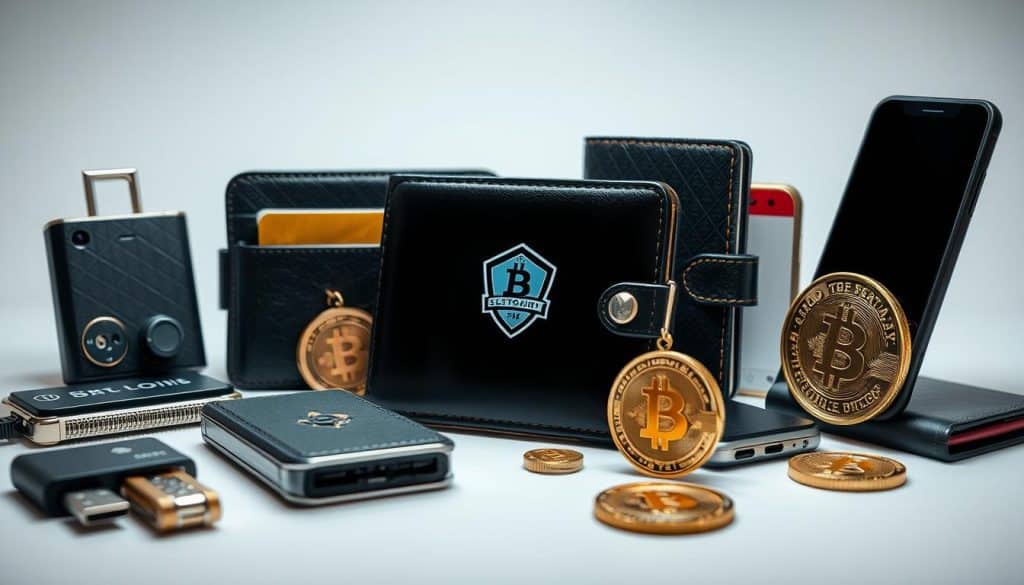
QUICK ANSWER
The best crypto wallet depends on how you hold. Hardware wallets like Ledger and Trezor keep long-term funds offline and away from hackers. Hot wallets like MetaMask or Trust Wallet suit daily trading and DeFi. Most serious holders run both: cold storage for savings, a mobile wallet for spending money.
Some investors lose digital fortunes, while others keep theirs safe for years. The key difference? Choosing the right cryptocurrency wallet. Your wallet choice can make or break your crypto journey.
I’ve tested dozens of storage solutions for my investments over five years. Today’s options include convenient mobile apps and specialized hardware devices for maximum security.
Finding the perfect balance is tricky because everyone’s needs differ. Day traders need different features than long-term holders. Multi-currency portfolios require different solutions than Bitcoin-only approaches.
This guide shares my hard-earned lessons to help you find your ideal match. We’ll explore hot and cold storage differences and examine today’s top contenders for The Best Crypto Wallet.
We’ll also cover essential security practices to keep your crypto safe. Let’s dive into the world of cryptocurrency wallets together.
Key Takeaways
- Security features should be your primary consideration when selecting a cryptocurrency wallet
- Different wallet types (hardware, software, mobile) serve different investment strategies
- Multi-currency support is essential for diversified portfolios
- Backup and recovery options can save your investments during emergencies
- User interface matters – complex security is worthless if you make mistakes using it
- The best wallet balances protection with accessibility based on your specific needs
What is a Crypto Wallet?
A crypto wallet is like a digital wallet. It lets you store, send, and get cryptocurrencies. This includes Bitcoin, Ethereum, and more.
There are two main kinds of crypto wallets:
- Hot Wallets are always online. They’re easy to use for quick trades. But, they might not be as safe.
- Cold Wallets stay offline. They’re safer because they keep your private keys away from hackers.
A crypto wallet holds your private keys. These keys let you use your crypto. Without them, you can’t access your money.
The Current State of Cryptocurrency Wallets in 2023
The crypto wallet ecosystem is changing rapidly in 2023. User experience, security, and adoption have all improved significantly. Self-custody solutions are gaining popularity, showing a shift in asset control preferences.
Market Growth and Adoption Statistics
Crypto wallet adoption has soared in 2023. There are now over 420 million crypto wallet users worldwide, a 27% increase from last year.
Self-custody wallets have grown by 34% year-over-year, outpacing exchange-based wallets at 18%. This trend shows increasing awareness about controlling private keys.
Institutional adoption has also increased. Many Fortune 500 companies now use specialized wallet solutions for their treasury operations. They’ve moved beyond simple exchange accounts to more advanced custody arrangements.
Recent Security Developments
Security innovations have been crucial in wallet development this year. After early 2023 breaches, developers quickly enhanced their security protocols. Multi-signature technology has become more user-friendly through improved interfaces.
Multi-Party Computation (MPC) technology has made significant strides. It distributes key management across multiple parties, enhancing security without compromising user experience. Many wallets now use this technology.
Biometric authentication is now standard in most mobile wallets. Fingerprint and facial recognition have replaced less secure PIN-only systems. Leading wallets also offer real-time transaction monitoring and alerts.
These security improvements show a maturing ecosystem. Developers and users now understand the importance of balancing convenience with robust protection. Top wallets in 2023 have achieved this balance effectively.
Understanding Crypto Wallet Types
Choosing a crypto wallet isn’t simple. It’s a strategic decision based on your needs. I’ve tried many wallet types and developed a practical framework for understanding them.
Each wallet type has its own advantages. Your choice depends on how you plan to use it. Let’s explore the different options available.
Hot Wallets vs. Cold Storage Solutions
Hot wallets maintain an active internet connection. They’re convenient for frequent transactions but more vulnerable to online threats. I use these for smaller amounts I need quick access to.
Cold storage solutions stay offline when not in use. This approach provides better security against remote attacks. I think of cold storage as my crypto savings account.
The difference between hot and cold wallets isn’t just technical – it’s philosophical. Hot wallets prioritize accessibility, while cold storage prioritizes security. The wisest approach is using both strategically.
The security difference is huge. My friend lost $5,000 in crypto from a compromised hot wallet. This reinforced my belief in cold storage for significant holdings.
Mobile, Desktop, and Hardware Options
Mobile crypto wallets like Trust Wallet offer great convenience. I can manage assets anywhere with just my phone. Their interfaces are intuitive, but I always enable all security features.
Desktop wallets provide a middle ground. They offer better security than mobile options while maintaining accessibility. They typically support more features and cryptocurrencies.
Hardware wallets represent the gold standard in security. These physical devices store private keys offline. They’re almost immune to remote hacking attempts. I use a hardware wallet for most of my long-term holdings.
Web-Based and Exchange Wallets
Web-based wallets work through browsers. They’re convenient but less secure. I use them for small amounts or temporary storage, never for significant holdings.
Exchange wallets are easy for beginners. Platforms like Coinbase or Binance hold your assets. This led to the saying: “not your keys, not your coins.”
| Wallet Type | Security Level | Convenience | Best Use Case |
|---|---|---|---|
| Hardware Wallets | Very High | Moderate | Long-term storage |
| Desktop Wallets | High | Good | Regular management |
| Mobile Wallets | Moderate | Excellent | On-the-go access |
| Web Wallets | Low | Very High | Small transactions |
| Exchange Wallets | Variable | High | Trading activities |
Most experienced crypto users have multiple wallet types. This approach balances security and accessibility based on specific needs. I use software wallets for active trading and hardware wallets for long-term holdings.
The Best Crypto Wallet Options for 2023
These five crypto wallets are the top choices for 2023. They excel in security, user-friendliness, and features. Each wallet caters to different needs, from maximum security to ease of use.
Ledger Nano X: Premium Hardware Security
The Ledger Nano X is my top pick for hardware security. It balances security and convenience perfectly for serious investors.
Bluetooth connectivity allows secure asset management via the Ledger Live app. The device supports over 5,500+ cryptocurrencies, ideal for diverse portfolios.
The build quality is exceptional, feeling substantial and durable. Ledger Live has become one of the most intuitive companion apps available.
Trezor Model T: Advanced Protection Features
The Trezor Model T offers unique advantages. Its full-color touchscreen interface eliminates the need for companion apps in many functions.
Trezor’s commitment to transparency is commendable. Their open-source hardware and software allow security researchers to verify for vulnerabilities.
The recovery process is well-designed and user-friendly. Step-by-step guidance makes restoring access to funds straightforward if your device is lost.
Exodus: Desktop Excellence
The Exodus wallet impresses with its beautiful interface and comprehensive functionality. It balances security and convenience perfectly for desktop users.
Its portfolio tracking features provide clear visualizations of asset performance over time. This has transformed how I monitor my investments.
Exodus’s built-in exchange functionality is a standout feature. It allows quick asset swaps without leaving the wallet’s security.
MetaMask: Web3 Integration Leader
The MetaMask wallet leads in Web3 integration. Its browser extension is the perfect gateway to dApps across multiple blockchains.
Recent updates have improved security features and user experience. It can connect to hardware devices for added security.
MetaMask bridges the gap between traditional and decentralized web browsing. It makes complex blockchain interactions accessible to everyday users.
Trust Wallet: Mobile Convenience
Trust Wallet offers the best mobile experience in the cryptocurrency space. Its intuitive controls make managing digital assets on-the-go surprisingly straightforward.
The wallet supports many cryptocurrencies and tokens. Its built-in DApp browser simplifies interactions with decentralized applications.
Integrated staking options provide convenient passive income opportunities directly from your phone. This feature has changed how I approach certain investments.
How to Find the Perfect Wallet for Managing Both Bitcoin and Ethereum Safely
Choosing the right crypto wallet is key for keeping your digital assets safe. This is especially true for popular coins like Bitcoin and Ethereum. Bitcoin wallets are made just for Bitcoin, but Ethereum wallets do more. They handle Ether and many other tokens and apps.
The best wallet should be secure, easy to use, and support both Bitcoin and Ethereum. This way, you can manage your money well and keep it safe. Let’s look at some top wallets for both Bitcoin and Ethereum users. We’ll help you find the perfect one for you.
Recent Developments in Wallet Technology
Crypto wallet technology is evolving rapidly, with innovations transforming the user experience. Today’s wallets offer sophisticated features that balance security with usability. These advancements seemed impossible just a few years ago.
Wallets have grown from basic key storage tools to comprehensive financial platforms. They now handle cross-chain swaps, NFT displays, and much more. Let’s explore the key advances reshaping our digital asset interactions.
Biometric Security Integration
Biometrics in crypto wallets has greatly improved security. Many wallets now use fingerprint authentication to authorize transactions. This eliminates the need for vulnerable written passwords or PINs.
Facial recognition is also available in mobile wallet apps, adding another layer of protection. These features work seamlessly, with minimal friction despite the added security.
Some hardware wallets now have built-in fingerprint sensors. This means sensitive information never needs to be entered on potentially compromised screens. Voice authentication is also emerging, though it’s still in early stages.
Cross-Chain Compatibility Advances
Modern cross-chain wallets have solved the problem of asset fragmentation across different blockchains. Users can now manage multiple chains from a single interface. This includes Bitcoin, Ethereum, Solana, and many others.
These wallets keep each blockchain safe in its own way. They also give you a single place to manage everything. Some even let you swap coins directly between chains.
This advancement is particularly useful for portfolio management. Users can access all their holdings in one place, with combined analytics across all chains.
DeFi and NFT Support Features
The integration of DeFi wallet features is another major advancement. Leading wallets now offer staking, lending, and yield farming within their interfaces. This allows users to put assets to work without exposure to external platforms.
This approach reduces security risks while making DeFi more accessible. Some wallets provide real-time APY comparisons across protocols, aiding in informed decision-making.
NFT wallet support has evolved from basic token displays to rich gallery experiences. The best wallets now properly render visual assets. Some include built-in marketplaces for browsing, buying, and selling NFTs without third-party connections.
Security Analysis: How Top Wallets Protect Your Assets
Top wallet providers use different approaches to protect your assets. Their security systems have evolved from simple private key management. Now, they use multi-layered defense systems that impress even cybersecurity experts.
My first deep dive into wallet security analysis showed big differences in protection methods. Today’s best wallets use defense-in-depth strategies. These create a strong shield around your crypto.
Multiple security layers work together to guard your holdings. If one measure fails, others stay intact to protect your assets.
Multi-Signature Authentication Systems
Multi-signature (multi-sig) tech has changed wallet security. It needs multiple approvals before processing transactions. Multi-sig wallets spread authorization across separate devices or people.
I use a 2-of-3 multi-sig setup for my Bitcoin. It needs approvals from two of three sources. This setup has improved my peace of mind.
Multi-sig wallets are great for travel. I can leave one device at home and carry another. This ensures a lost device doesn’t risk my funds.
Encryption Standards Comparison
Crypto wallet security uses different encryption standards. These vary in strength and how they’re used. The best solutions protect your private keys carefully.
| Wallet Type | Common Encryption Standard | Key Storage Method | Vulnerability Profile |
|---|---|---|---|
| Hardware Wallets | AES-256 with secure element | Isolated secure chip | Low (physical access required) |
| Mobile Wallets | AES-256 or device-specific | Encrypted device storage | Medium (malware risk) |
| Desktop Wallets | AES-256 or custom encryption | Encrypted local files | Medium-High (malware exposure) |
| Web Wallets | TLS/SSL with server-side encryption | Server database (often custodial) | High (server breach risk) |
Hardware wallets use special chips to resist tampering and attacks. These chips are like those in government IDs and banking systems. The strongest solutions never expose private keys to internet-connected devices.
“The difference between adequate and excellent wallet security often comes down to how private keys are managed. The best solutions ensure keys never exist in an unencrypted state on any networked device.”
Recovery Options and Backup Methods
A secure wallet is useless if you can’t recover your assets after a problem. Modern recovery methods balance security with usability. The 12 or 24-word seed phrase is still key for most systems.
I learned about backup importance after losing a paper seed phrase. Luckily, I had other backups. Today’s best crypto backup solutions include various methods.
- Physical metal backups – Etched steel or titanium plates that can withstand fire, water, and damage
- Distributed recovery shares – Using a method to split recovery info across many places
- Social recovery systems – Letting trusted friends help get back into your account if you lose your device
- Time-locked recovery – Needing several steps over days to stop quick theft
I use a hybrid approach, storing recovery info in three separate places. This protects against events at one location and single point compromise. The best wallets guide users through creating strong backups during setup.
When checking wallet recovery methods, look at how the process works. Good solutions make recovery easy while keeping strong security. This is better than early wallets that left users to figure out backups alone.
Cryptocurrency Compatibility and Support
Cryptocurrency compatibility varies across wallet platforms. Modern crypto enthusiasts expect their wallets to handle diverse digital assets. Let’s explore how leading wallets compare in compatibility and essential features.
Multi-Coin Support Comparison
Raw numbers of supported coins can be misleading when looking at multi-coin wallets. Ledger supports over 5,500 cryptocurrencies. Trezor supports about 1,800. But these numbers don’t tell the whole story about wallet coin support quality.
Seamless asset integration is crucial. Some wallets require complex manual setup for lesser-known tokens. The best wallets offer automatic token detection with correct decimal places and icons.
Recent data shows 78% of crypto users hold multiple types of digital assets. This makes robust multi-coin support essential for modern wallets.
Mobile wallets typically support fewer cryptocurrencies than hardware ones. Trust Wallet leads with about 160 natively supported coins and thousands of tokens. Exchange-based wallets usually limit support to 50-500 assets traded on their platforms.
Token Standards and Smart Contract Interaction
Modern cryptocurrency compatibility includes various token standards. Early wallets mainly supported ERC-20 tokens. Today’s solutions accommodate a much broader range of standards.
Now, leading wallets can handle different types of NFTs. They support ERC-721 and ERC-1155 for Ethereum. Also, they work with BEP-20 for Binance Smart Chain and SPL for Solana. This shows how big and varied the crypto world is. 62% of active wallets can use more than one standard. This makes it easier for people to move around in the crypto space.
Smart contract wallets offer different interaction levels. Basic options only support sending and receiving tokens. Advanced solutions provide interfaces for direct smart contract engagement.
This feature is key for DeFi, NFT trading, DAOs, and dApp use. It lets users access and use these services safely. Wallets with built-in dApp browsers or secure Web3 connections are the best.
| Wallet Type | Average Coins Supported | Token Standards | Smart Contract Interaction | dApp Integration |
|---|---|---|---|---|
| Premium Hardware | 1,000-5,500 | ERC-20, ERC-721, BEP-20, SPL, more | Advanced with companion apps | Via companion software |
| Mobile | 100-200 native | Major standards across 5-10 chains | Moderate to advanced | Built-in browsers |
| Desktop | 300-1,000 | Comprehensive multi-chain support | Advanced with extensions | Extension-based |
| Web/Extension | 50-500 | Chain-specific focus | Extensive | Native integration |
Choose a wallet that meets your current needs and future exploration. The ideal wallet should support new assets and interactions as your portfolio grows.
Expert Guide: Setting Up and Securing Your Crypto Wallet
I’ve developed a systematic approach to wallet setup that prioritizes security. The crypto world has many potential threats. But with proper precautions, you can reduce your risk exposure significantly.
Let’s explore the process I’ve refined through successes and tough lessons. This guide will help you set up and secure your crypto wallet effectively.
Initial Setup Best Practices
Your setup environment matters more than you might think. Create new wallets on a clean device disconnected from public Wi-Fi. This simple step eliminates many attack vectors right from the start.
For hardware wallets, inspect the packaging for signs of tampering. Legitimate devices come with intact security seals. Once, I wisely returned a device with slightly damaged packaging.
Never use pre-generated seed phrases or wallets with existing recovery information. This is a common scam tactic. Generate your seed phrase directly through the official wallet setup process.
I recommend setting up your first crypto wallet with a test transaction. Send a small amount to your new wallet and try sending it back.
Most quality wallets guide you through a verification process. Don’t skip this step! It ensures you’ve properly recorded your recovery information.
Securing Your Private Keys
Your recovery seed phrase is the master key to your funds. It requires extraordinary protection. Physical storage methods offer the best security-to-convenience ratio.
Write your seed phrase on paper or stamp it into metal plates. Never store it digitally. Metal storage solutions resist fire, water, and time better than paper.
Some users split their seed phrases into multiple parts stored separately. This requires multiple locations to be compromised for full exposure.
Enable all available security features including:
– PIN codes for device access
– Passphrases (an optional additional password)
– Biometric authentication where available
– App-based two-factor authentication
Regular Maintenance and Updates
Wallet maintenance isn’t exciting, but it’s crucial for long-term security. Schedule monthly security reviews of your entire wallet setup. Check for available updates and review recent transactions.
Keep your wallet firmware or software updated to the latest version. These updates often include critical security patches.
For hardware wallets, periodically verify that your recovery phrase still works. Perform a test recovery to ensure you can access your funds if your device fails.
Document any changes to your security setup, including update dates and new features. This documentation becomes invaluable during troubleshooting.
Common Security Mistakes to Avoid
I’ve witnessed the same security mistakes repeatedly cause preventable losses. Here are the most critical errors to avoid:
| Security Mistake | Risk Level | Prevention Strategy |
|---|---|---|
| Storing seed phrases digitally | Critical | Use physical storage methods only |
| Using compromised devices | High | Dedicated device or clean system |
| Falling for phishing attempts | High | Verify URLs and never click suspicious links |
| Sharing private information | Critical | Never share seed phrases with anyone |
| Neglecting updates | Medium | Schedule regular maintenance checks |
Legitimate wallet support staff will never ask for your seed phrase. Be cautious of wallet connection requests. Always verify the URL of any website asking you to connect your wallet.
Follow these best practices and remain vigilant to protect your cryptocurrency. The extra time invested in proper wallet security pays off in peace of mind.
Future Predictions: The Evolution of Crypto Wallets
Crypto wallets are evolving into comprehensive financial platforms. They’re becoming more than just storage solutions for digital assets. Soon, your wallet will be your financial command center.
Next-generation wallets will change how we interact with digital assets. The line between traditional finance and crypto is fading. This merger will shape the future of wallet innovation.
Integration with Traditional Banking Systems
Crypto wallets and conventional banking are joining forces. We’re seeing early signs with crypto debit cards and payment systems. Future wallets will offer smooth transitions between fiat and crypto assets.
Banks are likely to develop hybrid custody solutions. These will combine self-custody security with familiar banking interfaces. You might soon check your savings and Bitcoin balance in one app.
This integration could extend to lending and investment services. Financial super-apps may blur the line between crypto and traditional finance completely.
Regulatory Impacts on Wallet Development
Crypto regulations impact wallet design significantly. As governments create clearer rules, wallet providers must adapt. This influence is already shaping wallet features.
Future wallets will include stronger KYC/AML features and tax reporting tools. Developers face the challenge of meeting these requirements while preserving user privacy.
Smart wallets might have compliance layers that activate only when needed. This could maintain privacy for peer-to-peer transactions while satisfying legal requirements.
Emerging Technologies and Features
Exciting wallet technology trends are transforming basic wallet functions. Quantum-resistant cryptography is being developed to counter future threats. Social recovery systems may replace traditional seed phrases.
Zero-knowledge proofs will enhance privacy while maintaining compliance. Account abstraction could allow for programmable accounts with customizable security rules.
The ultimate evolution may be the “invisible wallet”. Future crypto wallets could become seamless infrastructure in apps. This would make crypto accessible to mainstream users without requiring blockchain knowledge.
Conclusion
The best crypto wallet depends on your unique situation. I’ve shifted from using one wallet to multiple solutions for different purposes. Your needs may change over time too.
Hardware wallets like Ledger and Trezor offer top-notch protection for large holdings. I keep my long-term investments safely offline. Hot wallets work well for daily transactions, balancing security and ease of use.
Start by asking yourself how often you’ll access funds. Consider your tech skills and whether you’re holding or trading. These answers will guide your wallet choice.
Even the best wallets can’t protect against poor security habits. Create proper backups and use strong passwords. Stay alert to phishing attempts to avoid preventable losses.
No perfect wallet exists, but combining different types can create a robust system. Wallet technology keeps improving, making digital asset management more accessible.
Your crypto wallet is your path to financial freedom. Choose wisely and stay informed. Adapt as your needs and the technology evolve.